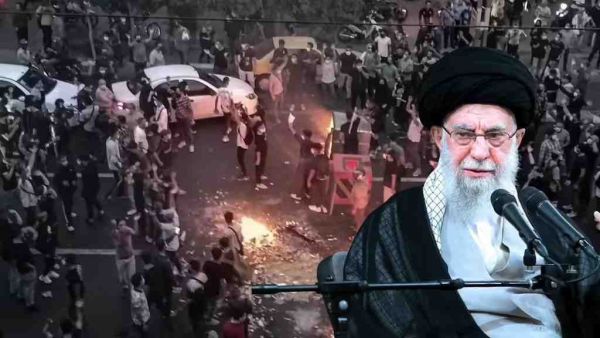
Iran: On Saturday, the policy research group Institute for the Study of War said that since January 8 at 3:30 p.m. (local time), it had documented 116 rallies in 22 provinces.
According to the report, there were 20 large-scale demonstrations across Iran, with more than 1,000 individuals attending.
“Critical Threats and ISW have recorded 116 protests across 22 provinces since 3:30 PM ET on January 8,” the Institute said in a statement on X. Twenty of these demonstrations were big protests, which are defined by CTP-ISW as gatherings involving more than 1,000 people. Given that the internet shutdown limits protestors’ capacity to upload and distribute recordings of the events, CTP-ISW’s protest data after its previous data cutoff probably only represents a portion of the protest activity that has occurred in Iran since that time. According to reports, some demonstrators have sent protest bulletins to international media using Starlink.
The Institute said earlier in the day that while the authorities had maintained the internet blackout in an attempt to quell the demonstrations, they had continued.
The Iranian administration has continued to shut down the internet nationally, which is expected to make it difficult to coordinate protests and hide the extent of its repression, the research group said in a post on X. Despite the internet blackout, widespread protests have persisted across Iran.
It went on to describe the demonstrations in more depth, saying, “It’s possible that the Iranian protesters have become so large that they are making it difficult for Iranian security forces to put an end to them. On January 8 and 9, demonstrators destroyed government buildings in many Iranian cities. Due to apparent bandwidth issues, the Iranian government may depend more and more on the Islamic Revolutionary Guards Corps to put an end to the demonstrations.
Masih Alinejad, a well-known Iranian journalist and activist, posted recordings she claims she got from Iranians via Starlink, saying, “The Iranian tyrant has been cutting down internet access for 90 million Iranians for more than 24 hours. Elon Musk has made a vital and important contribution to the struggle for democracy in Iran by providing Iranian revolutionaries with Starlink services, since internet connection is the lifeblood of the Iranian movement.
Internet watchdog Netblocks provided information on the reported Internet blocks throughout Iran, writing, “It’s now 8:00 am in Iran where the sun is rising after another night of protests met with repression; metrics show the nationwide internet blackout remains in place at 36 hours, severely limiting Iranians’ ability to check on the safety of friends and loved ones.”
As a challenge to the government looms, world leaders denounced Saturday the death and detention of demonstrators who seized Iran.
The foreign ministers of Australia, Canada, and the European Union praised the courage of the Iranian people and denounced the regime’s alleged crackdown in a united statement.