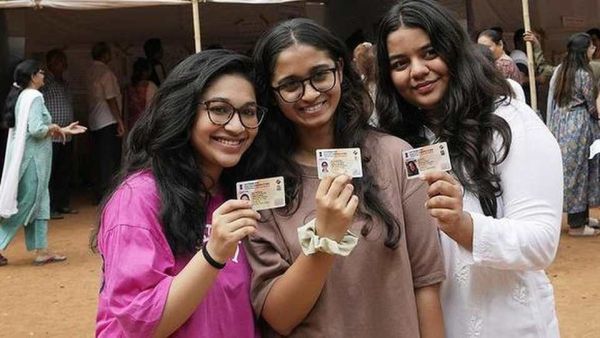
Mumbai: As election season approaches in Mumbai, political discussions once again echo through television studios, party offices, and social media timelines. The familiar narrative of linguistic pride and regional identity has resurfaced, particularly around the idea of Marathi asmita. However, beyond these political corridors, a very different conversation is unfolding among the city’s younger population. For Gen Z and young millennial voters, the issues that truly matter are far removed from language-based debates. Their focus is firmly rooted in everyday civic realities that directly affect their quality of life.

Mumbai, often described as India’s financial nerve center, is struggling with mounting urban challenges. Rising air pollution, crumbling roads, inefficient public transport, waterlogging during monsoons, and ineffective waste management dominate daily life. For the city’s youth, these concerns outweigh symbolic politics, revealing a generational shift in how civic responsibility and governance are perceived.
Unlike some regions in southern India where language and cultural identity remain central to political discourse year-round, Maharashtra tends to see these issues intensify mainly during elections. Younger voters in Mumbai appear increasingly detached from such episodic identity-driven politics. For many, linguistic affiliation has little relevance when compared to the pressing need for better infrastructure and employment opportunities.
This shift is also linked to Mumbai’s evolving demographic landscape. Over the decades, the proportion of Marathi-speaking residents has declined, while the city has become more linguistically and culturally diverse. At the same time, the number of young voters has steadily increased. This changing composition has naturally influenced political priorities, especially among first-time voters and those in their twenties.
Urban decay is impossible to ignore for Mumbai’s youth. Daily commutes are marked by overcrowded trains, traffic congestion, and poorly maintained roads. Air pollution levels have reached alarming highs, directly affecting outdoor activities, fitness routines, and overall health. For a generation that values wellness, sports, and mental health, environmental quality is not an abstract issue but a lived experience.
Many young residents express frustration at paying high rents and taxes while receiving substandard civic services. The desire for walkable streets, reliable public transport, clean public spaces, and effective drainage systems reflects a practical and solution-oriented mindset. These voters are less concerned with who represents the city symbolically and more invested in how efficiently the city is managed.
Despite their growing numbers, youth voters are often described as politically disengaged. This is not necessarily due to apathy, but rather disillusionment. Many young people feel that traditional politics fails to address their concerns in a meaningful way. Issues like unemployment, underemployment, and the rising cost of living dominate their personal struggles, yet rarely translate into actionable political agendas.
There is also a noticeable skepticism toward political narratives that seem disconnected from daily realities. When debates focus heavily on identity while ignoring governance failures, young voters tend to disengage further. For some, this has resulted in active disinterest in voting, posing a significant challenge for political parties hoping to mobilize this demographic.
Among young voters who do intend to participate in elections, the criteria for choosing candidates are pragmatic. Language, religion, or regional background take a back seat to competence and accountability. There is a growing belief that effective leadership is defined by performance rather than identity.
This attitude is reflected in discussions around civic leadership roles. Many young Mumbaikars express openness to any leader who can deliver tangible improvements, regardless of linguistic background. For them, governance is a service, not a symbol.
Beyond infrastructure, Gen Z voters also display heightened sensitivity to environmental and social issues. Air quality, protection of stray animals, availability of public sports facilities, and pedestrian safety feature prominently in their expectations from local authorities. These concerns align with global youth movements that prioritize sustainability, inclusivity, and livable cities.
The aspiration is not just for functional infrastructure but for a city that supports a healthier, more balanced lifestyle. Comparisons with global cities often arise, highlighting a desire for Mumbai to evolve into a more pedestrian-friendly and environmentally conscious metropolis.
For political parties, the message from young voters is clear. Traditional strategies rooted in emotional appeals and identity politics are losing resonance. To connect with the next generation of voters, parties must address practical governance issues with clarity and commitment.
Engaging youth meaningfully will require transparent policies, measurable outcomes, and consistent communication. Without this shift, political participation among young Mumbaikars may continue to decline, leaving a significant portion of the electorate disengaged.