When dead keyboards begin to breathe: Inside Mukesh Sharma's Decoding Digital DNA exhibition
ETimes January 12, 2026 07:39 AM
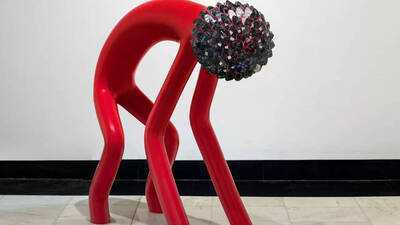 Artist Mukesh Sharma's latest exhibition that concluded in December 2025, Decoding Digital DNA, unfolded as an unlikely act of transformation, where discarded digital debris were patiently reworked into objects of craft, contemplation, and quiet emotion. Curated by Archana Khare Ghose, the exhibition offered a powerful meditation on how obsolete technology can be reimagined beyond its functional life.
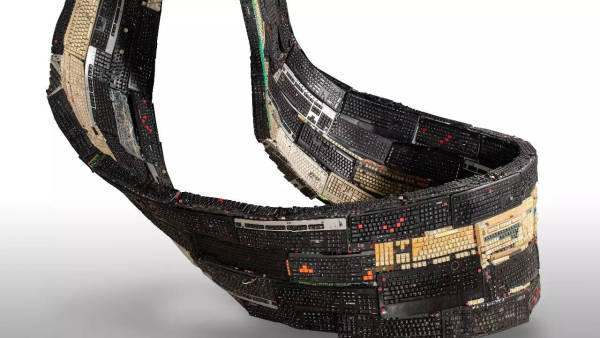
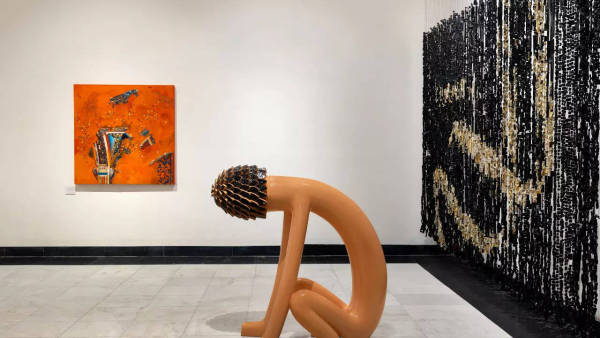
Using fragments of e-waste—keyboard keys worn smooth by years of touch, circuits stripped of speed, and processors long rendered redundant—Sharma converted technological leftovers into sculptural installations and textured paintings that felt almost bodily in nature. Through labor-intensive processes of cutting, grinding, arranging, and reassembling, he treated electronic waste not as refuse but as raw material for craft. In Decoding Digital DNA, technology was no longer cold or inert; it became tactile, fragile, and deeply human, carrying traces of memory, repetition, and use.
When Machines Stop Being Tools
For Sharma, technology has never been an inert matter. Growing up amid rapid urbanisation and accelerating technological change, he observed how machines subtly choreograph human behaviour—how fingers learn patterns, how habits form, how desire itself becomes programmed.
“When I began working with discarded keyboards,” Sharma reflects, “they didn’t feel like lifeless objects.” The worn-out keys carried the physical imprint of use—the pressure of fingers, the repetition of labour, the aspirations of countless anonymous users. What others might dismiss as trash began to resemble an archive of human touch and slowly e-waste stopped being material. it became experience for Sharma.
The Organic Life of Digital Debris
The idea of technology as something organic emerged gradually through process. Sharma cuts keyboards by hand, grinds them down, arranges fragments into grid-like structures, and reassembles them with almost ritualistic care—“like stringing beads,” as he puts it.
Each layer is built patiently, allowing texture and memory to surface. Dust from keyboards mingles with paint; fragments form collages that resemble cells, bones, or skin. The works unfold slowly, mirroring the fragility of the human body. “There is a sense of mortality in the process,” Sharma notes, “much like life itself.”
Having worked with discarded computer keyboards for nearly two decades, Decoding Digital DNA feels like a culmination—an understanding that technology, like humans, passes through birth, use, memory, and eventual decay.
Are Keyboards Already Becoming Fossils?
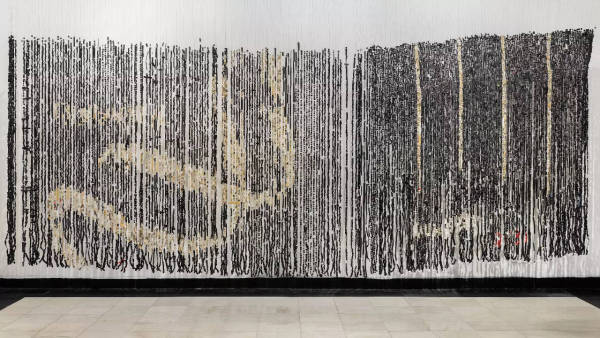
In an era dominated by touchscreens and voice commands, Sharma’s choice of keyboards feels almost prophetic. As physical typing tools edge toward obsolescence, his art offers them an unexpected afterlife.
Art, in this context, becomes resistance—slowing down the relentless forward march of innovation. It offers obsolete objects a renewed purpose, not as tools, but as storytellers. If keyboards are disappearing, Sharma ensures they are not forgotten.
A Surprise Sell-Out Moment
The opening preview witnessed nearly 50 percent of the works being sold, an impressive response for a conceptually driven exhibition. Sharma admits the reception left him humbled.
“It was never about expectations,” he says. “It was about starting a conversation.” That collectors connected so strongly with the work, he believes, reflects a growing willingness to engage with uncomfortable questions about technology, consumption, and memory. The sales, in that sense, were not just transactions, but affirmations that the work resonated beyond aesthetics.
Slowing Down Speed
Placed inside the contemplative space of a gallery, keyboards and circuits lose their original urgency. Speed evaporates. Efficiency collapses. What remains is something quieter and more haunting.
“Keys lose language, circuits lose control, chips lose efficiency,” Sharma explains. “But they gain fragility.” In this slowed-down state, the materials begin to narrate stories of labour, exhaustion, ambition, and failure—stories usually erased in the race toward the next upgrade. The gallery becomes a pause button, allowing viewers to reflect rather than consume.
Digital Residue as Collective Memory
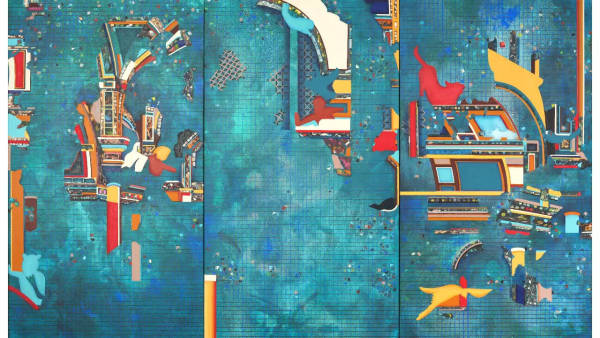
One of the most striking ideas emerging from Decoding Digital DNA is the notion of digital residue as collective memory. Sharma sees every device as a vessel of invisible histories—personal messages, social interactions, political exchanges.
His compositions consciously mirror how memory behaves: fragmented, layered, non-linear. Keyboard dust mixed into paint creates surfaces that feel unstable, constantly shifting—much like recollection itself. These works do not belong to a single narrative; they speak of shared, often unrecorded experiences of contemporary life.
Beauty, Discomfort, and Responsibility
Working with technological waste inevitably raises questions about sustainability. Sharma is acutely aware of the fine line between critique and aestheticisation. For him, beauty is merely an entry point.
“Attraction brings the viewer closer,” he says, “but discomfort keeps them there.” The shiny surfaces may draw the eye, but the source material is never disguised. Viewers are implicated as participants in cycles of consumption, not passive observers.
Beyond the Gallery: Imagining Post-Human Futures
Sharma believes contemporary art has a unique power to reshape conversations beyond exhibition spaces. By framing e-waste as a cultural and ethical issue—not just an environmental one—art can influence education, public discourse, and even policy.
Decoding Digital DNA ultimately asks viewers to rethink ownership, obsolescence, and coexistence. In a world racing toward post-human futures, Mukesh Sharma’s work reminds us that even dead machines carry traces of life—and that listening to them may be the first step toward imagining a more conscious tomorrow.