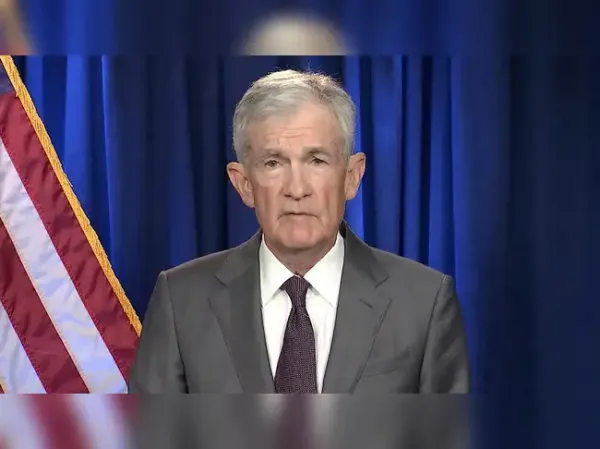
Federal prosecutors have opened a criminal investigation into Federal Reserve Chair Jerome H. Powell over his remarks before Congress and the handling of a major renovation project at Fed headquarters. The development amounts to a rare legal scrutiny of the leader of the United States’ central bank and raises urgent questions about institutional independence, law, and politics in the US financial system.
The justice department for the District of Columbia has initiated an inquiry focused on whether Powell made false or misleading statements during his June 2025 testimony before the Senate Banking Committee about the $2.5 billion renovation of the Federal Reserve’s Washington, DC headquarters, the Marriner S. Eccles Building and an adjacent Fed-owned structure.
According to Powell, the Department of Justice (DOJ) served the Federal Reserve with grand jury subpoenas on January 10, 2026, threatening possible criminal charges related to that testimony.
Federal prosecutors are ostensibly examining whether Powell’s public statements about the project, particularly his assurances that certain luxury or superfluous elements were excluded, were truthful.
Critics of the renovation have pointed to planning documents that described features like upgraded materials or potential amenities, sparking controversy among lawmakers and political figures.
“The threat of criminal charges is a consequence of the Federal Reserve setting interest rates based on our best assessment of what will serve the public, rather than following the preferences of the President.”
Powell stated he respects the rule of law, and that the threat of criminal indictment against the central bank’s chair is unprecedented and could undermine the institution’s long-standing operational independence. “This is about whether the Fed will be able to continue to set interest rates based on evidence and economic conditions — or whether instead monetary policy will be directed by political pressure or intimidation,” he said.
Trump has also sought to remove or replace Federal Reserve officials, including a high-profile effort to oust Governor Lisa D. Cook, which has produced ongoing legal battles over presidential authority.
Although the Federal Reserve funds its operations, including the renovation, through self-generated earnings and not through direct taxpayer appropriations, the optics of the $2.5 billion project have drawn political ire.
Even if prosecutors investigate alleged misstatements, proving criminal liability is difficult. Charges for false statements to Congress generally require proof that the individual knowingly, materially, and willfully made false statements, a high legal bar.
As of January 12, 2026, no criminal charges have been filed. The investigation remains ongoing, and it is unclear whether a grand jury has been fully convened beyond the issuance of subpoenas.
The justice department for the District of Columbia has initiated an inquiry focused on whether Powell made false or misleading statements during his June 2025 testimony before the Senate Banking Committee about the $2.5 billion renovation of the Federal Reserve’s Washington, DC headquarters, the Marriner S. Eccles Building and an adjacent Fed-owned structure.
According to Powell, the Department of Justice (DOJ) served the Federal Reserve with grand jury subpoenas on January 10, 2026, threatening possible criminal charges related to that testimony.
Federal prosecutors are ostensibly examining whether Powell’s public statements about the project, particularly his assurances that certain luxury or superfluous elements were excluded, were truthful.
Critics of the renovation have pointed to planning documents that described features like upgraded materials or potential amenities, sparking controversy among lawmakers and political figures.
Powell’s response: Independence under fire
In a strongly worded public statement, Powell characterized the investigation as a pretext used by the administration to exert political pressure on the Federal Reserve, particularly over interest rate policy.“The threat of criminal charges is a consequence of the Federal Reserve setting interest rates based on our best assessment of what will serve the public, rather than following the preferences of the President.”
Powell stated he respects the rule of law, and that the threat of criminal indictment against the central bank’s chair is unprecedented and could undermine the institution’s long-standing operational independence. “This is about whether the Fed will be able to continue to set interest rates based on evidence and economic conditions — or whether instead monetary policy will be directed by political pressure or intimidation,” he said.
Conflict With the Executive Branch
The investigation unfolds against the backdrop of a widening dispute between Powell and President Donald Trump’s administration. Over the past year, Trump has repeatedly criticized Powell for not lowering interest rates to the extent the President demanded and publicly attacked the renovation as wasteful.Trump has also sought to remove or replace Federal Reserve officials, including a high-profile effort to oust Governor Lisa D. Cook, which has produced ongoing legal battles over presidential authority.
Although the Federal Reserve funds its operations, including the renovation, through self-generated earnings and not through direct taxpayer appropriations, the optics of the $2.5 billion project have drawn political ire.
Legal and institutional implications
The Federal Reserve’s independence is enshrined in law to insulate monetary policy decisions, like setting interest rates, from short-term political pressures. A criminal probe against the chair, particularly one intertwined with policy disagreements, raises long-term questions about the robustness of that autonomy.Even if prosecutors investigate alleged misstatements, proving criminal liability is difficult. Charges for false statements to Congress generally require proof that the individual knowingly, materially, and willfully made false statements, a high legal bar.
As of January 12, 2026, no criminal charges have been filed. The investigation remains ongoing, and it is unclear whether a grand jury has been fully convened beyond the issuance of subpoenas.