Hindus, Sikhs and Muslims engaged in violence against each other. Lakhs of people had been displaced. Gandhiji had stopped the violence by fasting in Calcutta, but the fire in Delhi was not extinguished.
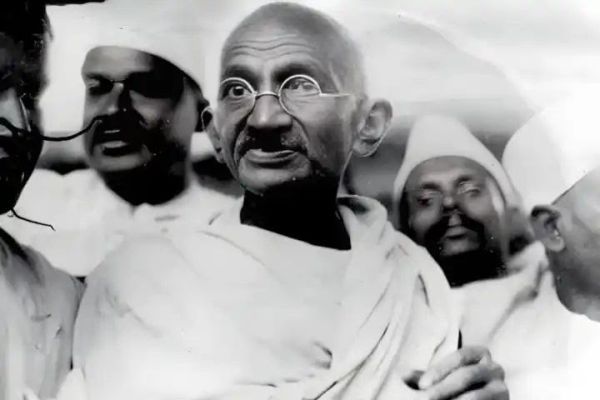
At the prayer meeting on the evening of 12 January, Gandhiji announced, 'I am starting a fast unto death. This is not political, but the call of my conscience. Unless there is true unity in the hearts of Hindus, Muslims and Sikhs, I will not take food. Death will be salvation for me, if I remain a witness to the destruction of India.
What conditions did Mahatma Gandhi set?
The conditions of this fast of Mahatma Gandhi were clear… Urs of the Dargah of Hazrat Qutubuddin Bakhtiar Kaki of Mehrauli should be celebrated peacefully, more than 100 mosques of Delhi should be stopped from being converted into temples or houses, Muslims should be allowed to roam safely in Old Delhi, Muslims returning from Pakistan should not be opposed, Muslims should travel safely in trains, there should be no economic boycott of Muslims, and Hindu refugees should not be settled in Muslim areas. Consent of Muslims should be taken for this.
There was silence in Delhi as soon as the fast started. People started gathering outside Birla House. Leaders like Pandit Jawaharlal Nehru, Sardar Vallabhbhai Patel, Maulana Abul Kalam Azad were worried. Gandhiji's weight was falling rapidly. They were just taking water. At the age of 78, this fast was an invitation to death. But Gandhiji was adamant. He said, 'I have come to bring peace to Delhi or to die here.'
Health kept deteriorating, Gandhiji remained steadfast
Days passed. Gandhiji became very weak on January 14 itself, but the prayer meetings continued. People kept crying and demanding him to break the fast, but Mahatma Gandhi remained firm. His condition worsened further on 15 and 16 January. Doctors warned that his body could not take it anymore. Gandhiji put forward seven conditions - leaders of all communities should sign them.
On January 18, 1948, on the sixth day of the fast, more than 130 representatives of Hindu Mahasabha, RSS, Jamiat-ul-Ulema Hind, Congress and other organizations reached Birla House. He took the oath of peace: 'We Hindus, Muslims, Sikhs and people of other communities will live in brotherhood in Delhi. Will protect the life, property and religion of Muslims. Old incidents will not happen again. There will be no protest against the return of Muslims.
Why did Hindu extremists dislike this fast?
On this Gandhiji said, 'I believe in you.' And then he broke his fast. There was a wave of happiness in Delhi due to this news. People came out on the streets, hugged each other. But this peace was short-lived. Gandhiji's fast displeased the Hindu extremists. They saw it in favor of Muslims. Just 12 days later, on January 30, 1948, Nathuram Godse assassinated Gandhiji in a prayer meeting.
This fast was Gandhiji's 11th and last public fast. Lakhs were killed in the violence of Partition, but Gandhiji returned goodwill to Delhi by risking his life. Even today this incident teaches us how much change can be brought about through non-violence and sacrifice. Gandhiji had said, 'Hindu-Muslim unity is the goal of my life.' His last fast was the last attempt at that goal, which was realized for a few days, but became immortal in history.