Big ideas can be inspiring, but they don’t move on their own. Plans stay on paper, goals stay out of reach, and opportunities slip away unless someone takes action. Maya Angelou’s quote, “Nothing will work unless you do,” skips the usual motivation talk and makes it clear: effort is necessary. It strips success down to its most basic requirement—participation.
The quote is simple and direct, but it also reminds us of personal responsibility. Today, people often connect success to tools, systems, or perfect timing, but Angelou shifts the focus back to the person. She suggests that progress starts with getting involved, not with outside factors. It’s a reminder that no framework, shortcut, or strategy can replace personal effort.
The life and moment Behind the Quote
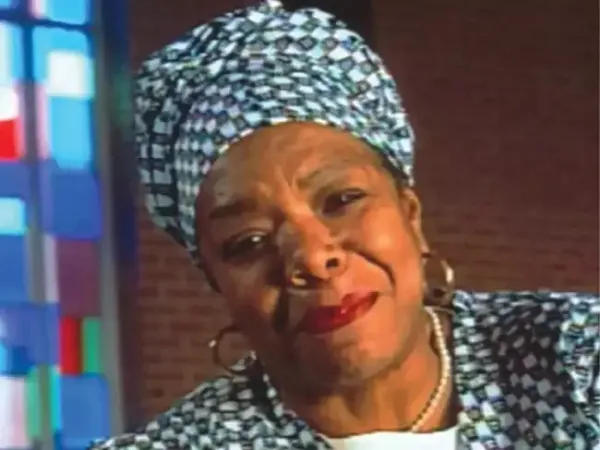
Maya Angelou didn’t talk about effort without knowing it firsthand. She went through serious hardships before becoming a respected figure in literature, and civil rights. Born in 1928, she experienced trauma, poverty, and long stretches of silence as a child. Her path to becoming a poet, author, and activist was slow, difficult, and very personal. Nothing about her journey was instant or effortless.
The quote “Nothing will work unless you do” comes from her real experiences. Angelou often talked about discipline, showing up every day, and working even when she didn’t feel motivated. She wrote regularly, revised her work many times, and believed that talent didn’t matter much without action. This isn’t just a catchy phrase. It was a belief formed by years of persistence, setbacks, and trusting herself. For Angelou, work was not punishment—it was freedom.
She applied this thinking beyond writing. Whether it was activism, teaching, or public speaking, she believed presence mattered. You couldn’t hope for change while staying on the sidelines. Her life reflected the idea that effort, even when imperfect, was more powerful than intention alone.
What the quote really means
At first, the quote seems obvious. Of course, things won’t work unless you do. But its real power is in what it questions. It challenges the habit of waiting—waiting for clarity, confidence, approval, or the “right” time. Angelou reminds us that action usually comes before certainty, not after. You don’t move because you’re ready; you become ready because you move.
The quote also shifts responsibility in a calm but clear way. It doesn’t blame outside factors or promise quick results. Instead, it makes a simple point: effort is what leads to progress. Whether you’re learning something new, rebuilding confidence, or working toward a big goal, nothing changes unless you take part. The work doesn’t need to be perfect. It just needs to start. Even small, imperfect steps count as work.
There’s also reassurance in the quote. It doesn’t demand brilliance or constant success. It only asks for involvement. That makes it less intimidating and more realistic, especially when motivation is low or outcomes feel uncertain.
Applying it to everyday life
In daily life, this quote is most helpful when you take it literally. It fits small, ordinary actions like sending that email you’ve been putting off, starting a task even if it’s not perfect, or showing up regularly even when progress is slow. Angelou’s message isn’t about working nonstop or burning out. It’s about being honest with yourself. Are you waiting for things to change, or are you helping make the change happen?
The quote also reminds us to be patient. When effort doesn’t pay off right away, it’s tempting to quit. Angelou’s words suggest staying involved anyway. Work slowly builds momentum. Confidence grows with practice. Over time, taking action changes both your skills and your mindset. Consistency, not intensity, is what keeps things moving.
In professional life, this idea can be grounding. Instead of chasing constant validation or worrying about outcomes you can’t control, the focus shifts to what you can do today. Show up, contribute, and let the results follow. In personal life, it encourages responsibility without guilt. You don’t need to have everything figured out—you just need to begin.
In the end, “Nothing will work unless you do” isn’t a harsh rule. It’s a practical reminder that your actions matter. The quote recognizes that life is complicated but still asks us to take responsibility. Angelou’s wisdom is in making effort feel empowering. When we stop waiting for perfect conditions and start engaging with what’s in front of us, progress becomes possible.
The quote is simple and direct, but it also reminds us of personal responsibility. Today, people often connect success to tools, systems, or perfect timing, but Angelou shifts the focus back to the person. She suggests that progress starts with getting involved, not with outside factors. It’s a reminder that no framework, shortcut, or strategy can replace personal effort.
The life and moment Behind the Quote
Maya Angelou didn’t talk about effort without knowing it firsthand. She went through serious hardships before becoming a respected figure in literature, and civil rights. Born in 1928, she experienced trauma, poverty, and long stretches of silence as a child. Her path to becoming a poet, author, and activist was slow, difficult, and very personal. Nothing about her journey was instant or effortless.
The quote “Nothing will work unless you do” comes from her real experiences. Angelou often talked about discipline, showing up every day, and working even when she didn’t feel motivated. She wrote regularly, revised her work many times, and believed that talent didn’t matter much without action. This isn’t just a catchy phrase. It was a belief formed by years of persistence, setbacks, and trusting herself. For Angelou, work was not punishment—it was freedom.
She applied this thinking beyond writing. Whether it was activism, teaching, or public speaking, she believed presence mattered. You couldn’t hope for change while staying on the sidelines. Her life reflected the idea that effort, even when imperfect, was more powerful than intention alone.
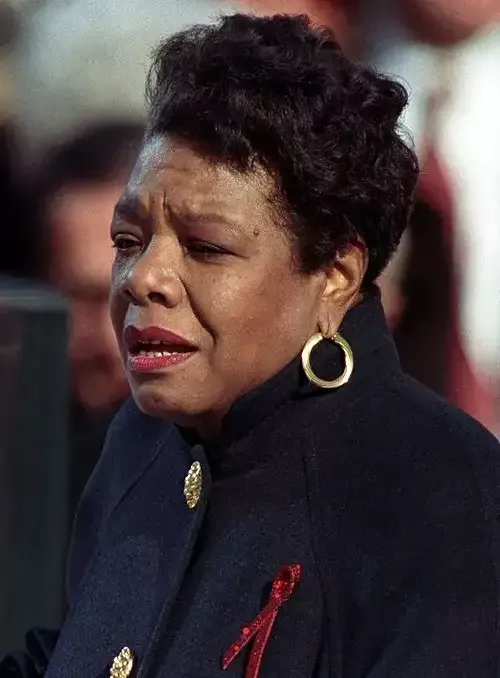
For Maya Angelou, discipline wasn’t optional — it was the work itself. (Image Credit: Wikipedia)
What the quote really means
At first, the quote seems obvious. Of course, things won’t work unless you do. But its real power is in what it questions. It challenges the habit of waiting—waiting for clarity, confidence, approval, or the “right” time. Angelou reminds us that action usually comes before certainty, not after. You don’t move because you’re ready; you become ready because you move.
The quote also shifts responsibility in a calm but clear way. It doesn’t blame outside factors or promise quick results. Instead, it makes a simple point: effort is what leads to progress. Whether you’re learning something new, rebuilding confidence, or working toward a big goal, nothing changes unless you take part. The work doesn’t need to be perfect. It just needs to start. Even small, imperfect steps count as work.
There’s also reassurance in the quote. It doesn’t demand brilliance or constant success. It only asks for involvement. That makes it less intimidating and more realistic, especially when motivation is low or outcomes feel uncertain.
Applying it to everyday life
In daily life, this quote is most helpful when you take it literally. It fits small, ordinary actions like sending that email you’ve been putting off, starting a task even if it’s not perfect, or showing up regularly even when progress is slow. Angelou’s message isn’t about working nonstop or burning out. It’s about being honest with yourself. Are you waiting for things to change, or are you helping make the change happen?
The quote also reminds us to be patient. When effort doesn’t pay off right away, it’s tempting to quit. Angelou’s words suggest staying involved anyway. Work slowly builds momentum. Confidence grows with practice. Over time, taking action changes both your skills and your mindset. Consistency, not intensity, is what keeps things moving.
In professional life, this idea can be grounding. Instead of chasing constant validation or worrying about outcomes you can’t control, the focus shifts to what you can do today. Show up, contribute, and let the results follow. In personal life, it encourages responsibility without guilt. You don’t need to have everything figured out—you just need to begin.
In the end, “Nothing will work unless you do” isn’t a harsh rule. It’s a practical reminder that your actions matter. The quote recognizes that life is complicated but still asks us to take responsibility. Angelou’s wisdom is in making effort feel empowering. When we stop waiting for perfect conditions and start engaging with what’s in front of us, progress becomes possible.