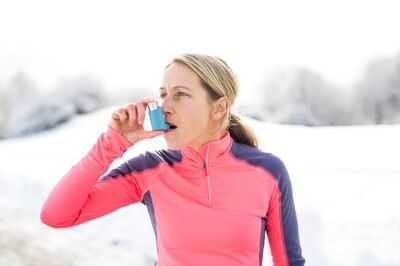
A health alert has been issued to millions of people in the UK who have asthma. According to the NHS, asthma is a common condition that affects your breathing. Although there is no cure for asthma, it can be effectively treated with medication, such as inhalers, to alleviate symptoms.
Asthma and Lung UK data show that there are 7.2 million people in the UK who have asthma, which is about eight in every 100 people. People with asthma may experience wheezing, breathlessness, a cough or a tight chest. Sometimes symptoms can get worse quickly, which is called an asthma attack.
Asthmatics may notice that changes in seasons and temperature can affect them. Cold weather is especially a common trigger for asthma because the cold, dry air can irritate the airways.
Currently, the UK is facing a severe bout of wintry weather, with several Met Office snow and ice weather warnings in place for various parts of the country. Temperatures have been plunging close to freezing for many.
Amid the harsh conditions, a part-time NHS GP who also works at LloydsPharmacy Online Doctor, Dr Neel Patel, has issued a warning for asthma sufferers, especially those who want to stay active despite the cold weather or have New Year fitness resolutions. The health expert also reveals the little-known symptoms of Exercise-Induced Bronchoconstriction (EIB).
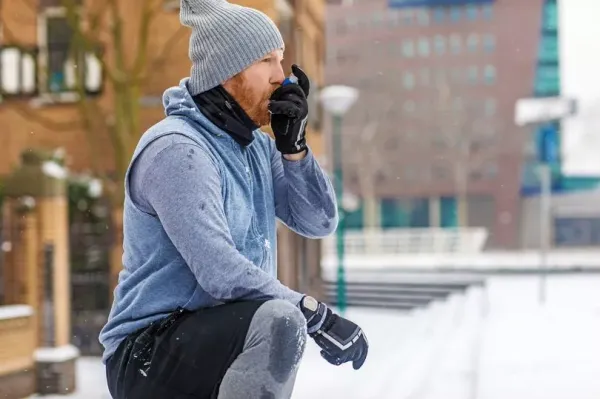
A survey from LloydsPharmacy Online Doctor has revealed that 64% of people find it more difficult to regulate their breathing when exercising in cold weather. Meanwhile, a further 66% admit they become breathless more quickly.
However, for those who suffer from asthma, symptoms can be much worse in winter. To help people find out more, GP Dr Neel Patel reveals how to manage asthma in cold weather and offers tips to those who want to stay active but find they easily become short of breath.
Why asthma can be worse in winterWarning asthmatics about the risks of exercising during the winter months, Dr Patel said: "Exercising in cold weather is harder for everyone. But it can be even more of a problem if you have a lung condition. Asthma sufferers often find that exercising in cold, dry air can cause a flare-up. Asthma and Lung UK found 70% of people with lung conditions said cold air worsened their symptoms.
"This is because cold, dry air can irritate your airways, worsening symptoms like wheezing, coughing and breathlessness. Plus, cold air can cause your airways to narrow. This can increase the amount of mucus you produce, making it hard to breathe.
"On top of this, cold air can weaken your immune system, making it harder for your body to fight respiratory infections like colds and flu. Plus, when it’s cold, we tend to spend more time indoors where respiratory infections can spread more easily."
Cold air can weaken your immune system, especially in the nose, making it easier for respiratory viruses to attack. It slows down your body's defences, like mucus and tiny hairs called cilia. Plus, viruses tend to live longer in cold and dry air. This mix of a not-so-great defence and tough viruses raises your chances of becoming ill, but you still need to be around viruses to actually get infected.
Plus, when you heat your home, it can dry out the air and your nose, creating small cracks that allow germs to enter. In winter, there is less sunlight, which can cause your vitamin D levels to drop. Vitamin D is crucial for maintaining a strong immune system.
An asthma attack can cause a bad cough, wheezing, trouble breathing, and a tight feeling in the chest. This makes it difficult to talk or sleep. In serious cases, you may notice a blue discolouration on your lips or nails, and your inhaler may not be providing much relief. Important signs to look for include quick, gasping breaths, difficulty speaking in full sentences, and feeling extremely tired. These are signs of a serious emergency when your airways are getting smaller.
Tips for managing asthma in winterStay active throughout winter. The doctor said: "This doesn’t mean you should avoid going outside this winter. Spending time outdoors is important for your health. You just have to pay attention to some potential triggers and take some precautions."
Take controller medicines: "When exercising in the cold, it’s essential you take your daily controller medicines as directed." Keep your inhaler nearby: "You should also have a quick-relief asthma inhaler on hand. This should be used at the first sign of symptoms."
Breathe in through your nose: "You can protect your airways by breathing in through your nose and out through your mouth. This warms up the air you’re breathing in." Wear a scarf: "Having a cold can make breathing through your nose difficult. A simple hack is to wrap a scarf around your nose and mouth loosely. This warms up the air you’re breathing in."
Exercise-induced bronchoconstriction (EIB)Exercise-induced bronchoconstriction (EIB) is the medical term for exercise-induced asthma. Dr Patel says: "While up to 90% of people with asthma also have EIB, you may experience EIB even if you don’t have asthma.
"It’s caused by the loss of heat, water or both from the airways during exercise in the cold. This is because cold air typically contains less moisture." Up to 76% of Brits have never heard of this condition before.
EIB symptomsDr Patel explained: "Symptoms typically appear within minutes of starting exercise. They may continue for 10 to 15 minutes after you finish working out." EIB symptoms include:
Wheezing or shortness of breath
Reduced endurance
Chest tightness
Cough
Upset stomach
Sore throat
The health expert says: "You should consult your doctor if you have any of these symptoms."
EIB triggersDr Patel added: "EIB is most likely to occur running or cycling in polluted areas or playing outdoor sports. Although pollen can also be a trigger. Sports played on ice or snow, such as ice hockey and cross-country skiing, are also common triggers.
"You may be surprised to learn you can also experience EIB when working out inside, for example in a gym or swimming pool. The chemicals in chlorine, perfume, cleaning products, paint and new equipment can be triggers."
Diagnosing EIB"Many elite athletes have EIB," Dr Patel said. "But with the right treatment plan, it doesn’t hold them back. Diagnosing EIB involves some basic breathing tests and monitoring you while using a treadmill to assess whether your airways narrow in response to exercise.
"If you are diagnosed with EIB, your doctor may recommend certain prescription medicines. They are usually taken through an inhaler. It can also help to keep a symptoms calendar so you can start to spot patterns."