From Gold Rush to Modern Metal Mania: The discovery of gold in California in 1848 ignited one of history’s most dramatic economic migrations, as people from across the globe chased wealth and opportunity. That moment symbolized humanity’s enduring fascination with precious metals. More than a century later, while rivers are no longer crowded with prospectors, the obsession with gold, silver, and other metals remains just as intense. Today’s rush is driven not by physical discovery but by global uncertainty, economic realignments, and shifting financial systems.
Gold has played a central role in global finance for centuries. After World War II, the Bretton Woods framework tied major currencies to gold through the US dollar, reinforcing its role as a store of value. This system ended in 1971, ushering in the era of fiat money. Contrary to fears that gold would lose relevance, the metal surged in value during the following decade, fueled by inflation, oil shocks, and geopolitical instability. History has shown that whenever trust in currencies weakens, gold regains prominence.
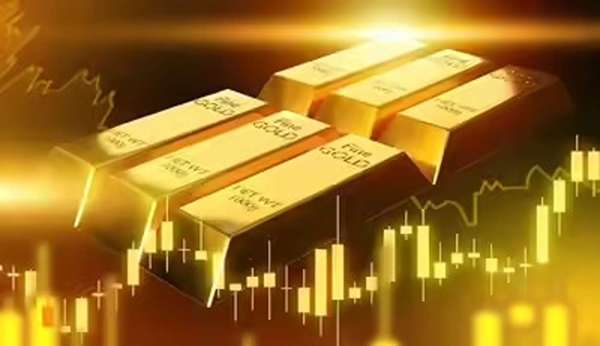
Fast forward to the mid-2020s, and the global environment once again resembles a period of heightened uncertainty. Trade disputes, geopolitical conflicts, slowing economic growth, and inflationary pressures have renewed interest in tangible assets. Gold prices have climbed to unprecedented levels, while silver and other metals have delivered even stronger returns. Investors, households, and central banks alike are increasing their exposure, seeing precious metals as protection against volatility and currency depreciation.
India has long held a unique relationship with gold, viewing it not only as an investment but also as a cultural and social asset. Indian households collectively hold tens of thousands of tonnes of gold, reflecting generations of accumulated wealth. Despite repeated policy attempts to reduce dependence on imports, demand has remained resilient. Even as prices surged to historic highs, import data shows continued appetite, underlining gold’s emotional and financial significance in the country.
The surge in precious metal prices has had tangible economic consequences for import-dependent nations like India. Higher global prices combined with a weaker local currency have pushed up the value of imports, even when physical volumes decline. Gold and silver imports now account for a significant share of the trade deficit, increasing pressure on foreign exchange reserves. This dynamic also affects inflation, as a weaker currency makes essential imports such as energy more expensive.
While gold dominates headlines, silver has emerged as a standout performer. Its dual role as both a precious and industrial metal has amplified demand. Expanding sectors such as electric mobility, renewable energy, and data infrastructure rely heavily on silver’s conductive properties. Persistent supply deficits have further tightened the market, pushing prices sharply higher. For many analysts, silver’s functional relevance makes it a compelling long-term asset alongside gold.
Another powerful driver of the metals rally is central bank behavior. Many countries are increasing their gold reserves to diversify away from traditional currency assets. This strategy reduces exposure to geopolitical risks, sanctions, and currency fluctuations. In Asia, reserve accumulation has been particularly strong, reinforcing global demand and supporting prices at elevated levels.
Global financial architecture is also evolving. Efforts to reduce reliance on dominant reserve currencies have encouraged exploration of alternative settlement systems backed partly by gold. These initiatives aim to stabilize trade, lower currency risks, and build trust among participating economies. While such systems are not designed for everyday transactions, they highlight gold’s continuing relevance in the future of global finance.
The metals rally has created mixed outcomes across industries. Jewelry manufacturers and retailers face softer volumes as high prices discourage discretionary purchases, though higher realization values often offset the impact. On the other hand, financial institutions offering gold-backed loans have benefited significantly, as rising prices increase collateral values and borrowing capacity for consumers.
Despite widespread optimism, experts caution that no market moves in a straight line. Periodic corrections are likely, especially after rapid price increases. Shifts in interest rates, easing geopolitical tensions, or stronger economic data could trigger temporary pullbacks. However, many analysts believe these corrections will be short-lived, with long-term trends remaining supportive due to structural global risks.
Looking forward, precious metals are expected to remain an important component of diversified portfolios. Gold’s role as a hedge against inflation and financial instability, combined with silver’s industrial demand, suggests continued relevance. For policymakers, balancing cultural demand with economic stability remains a challenge. For investors, the metals story is no longer just about tradition, but about adapting to a rapidly changing global financial landscape.