Head lice are feared to make a post-school holidays comeback as children return to classrooms. Online pharmacy Chemist4U reported that sales of head lice treatments were 280% higher in the first two weeks of January than at this time last year.
Jason Murphy, head of pharmacy at Chemist4U, said: "Head lice are tiny, wingless insects that live on the scalp and feed on small amounts of blood. They're especially common in children because lice spread most easily through close head-to-head contact. Lice also grip and lay their eggs on hair close to the scalp, and children's hair is often finer and worn in ways that make transfer easier, which is why school-age kids are affected so often."
Mr Murphy said head lice often "resurface after school holidays because children are back in close contact, but what many parents don't realise is that lice can spread quietly before any itching starts".
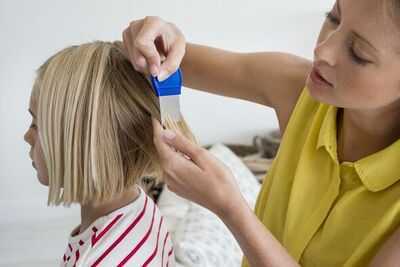
He added: "Some children don't react straight away, which means regular checking is just as important as treating obvious cases.
"Another issue we're seeing is parents over-treating 'just in case'. Treatment should only be used when live lice are found, otherwise it can make future infestations harder to treat."
The NHS advises that head lice and nits are very common among young children and their families, and are not caused by dirty hair.
The insects are around 3mm long and can lay brown or white eggs which attach to hair.
Mr Murphy shared five tips on spotting, treating and preventing head lice: