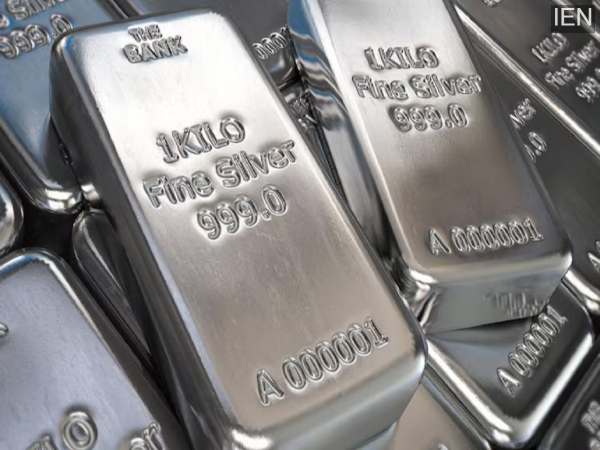
Silver prices have witnessed a sharp rally in January, grabbing the attention of investors across the country. In the domestic market, silver has become more expensive by over ₹32,000 per kilogram within a single month. This sudden rise has raised an important question for retail investors and market participants alike: is this the right time to buy silver, or should one wait for a correction?
According to market data, silver prices on the Multi Commodity Exchange (MCX) touched a fresh all-time high on January 16. March futures of silver climbed to around ₹2,92,865 per kilogram, marking a new record level. The strong upward movement reflects not just investment-driven demand, but also deep structural changes in the global commodities market.
Experts believe that the current rally in silver is supported by a combination of strong industrial demand and limited supply. Over the past year, silver has emerged as a crucial metal for several fast-growing industries. Sectors such as solar energy, electronics manufacturing, electric vehicles (EVs), and advanced technologies rely heavily on silver due to its superior conductivity and efficiency.
With governments worldwide pushing aggressively toward renewable energy and green infrastructure, the demand for silver has surged. At the same time, global silver supply has remained relatively tight, creating an imbalance between demand and availability. This demand-supply mismatch is one of the key reasons behind the sharp rise in prices.
Market analysts remain optimistic about silver’s medium- to long-term prospects. Based on technical indicators and demand trends, some experts suggest that silver prices could move further upward in the coming months. In the medium term, levels between ₹3 lakh and ₹3.5 lakh per kilogram are being discussed by analysts. If the current momentum continues and global conditions remain supportive, long-term projections even point toward the possibility of silver touching ₹4 lakh per kilogram.
Unlike gold, which is largely driven by safe-haven demand, silver benefits from both investment and industrial consumption. This dual demand makes silver a unique asset, especially during periods of technological expansion and infrastructure growth.
In India, silver is no longer seen only as a traditional metal used for jewelry or ceremonial purposes. With the government’s increasing focus on renewable energy, infrastructure development, and manufacturing, silver’s industrial importance has grown significantly. As a result, large investors, high-net-worth individuals (HNIs), and family offices are now actively including silver in their portfolios alongside gold.
This shift in investment behavior has added further strength to silver prices. Institutional participation and long-term allocation strategies are helping silver gain recognition as a strategic asset rather than just a speculative commodity.
Despite the strong outlook, experts are advising retail investors to remain cautious. Silver is known to be more volatile than gold, and its prices can fluctuate sharply in response to global economic developments, movements in the US dollar, and speculative trading activity.
Buying silver at elevated levels without a clear strategy may expose investors to short-term risks. Sudden corrections are not uncommon in commodities that witness rapid price appreciation.
Opinions among experts are divided. Some market participants believe that instead of buying aggressively at current levels, investors should wait for a healthy correction. According to them, if silver prices fall back to the range of ₹2.50 lakh to ₹2.60 lakh per kilogram, those levels could offer a safer entry point.
On the other hand, some analysts argue that the chances of a deep correction appear limited due to strong underlying demand. They suggest that investors can consider buying silver in small quantities during price dips, rather than making a large one-time investment. This staggered approach helps reduce risk while still allowing participation in the long-term growth story.
Silver’s long-term fundamentals appear strong, supported by industrial demand, renewable energy expansion, and evolving investment trends. However, short-term volatility cannot be ignored. For retail investors, patience and planning are key. Instead of rushing to buy at peak levels, it may be wiser to monitor price movements, invest gradually, and align purchases with long-term financial goals.
While silver continues to shine as a promising asset, disciplined investing will remain the most important factor in maximizing returns and managing risk.