Gen-Z is redefining luxury, with priorities shifting into a new era in which the values of sustainability, ethics, quality of life, and personal growth are reinventing traditional concepts of luxury.
This is seen no less in the area of fashion, as Dubai continues to be a regional capital for all things luxury and style.
Ahmad Ammar, co-founder and designer at AAVVA, said: “In the UAE, luxury is still very much something that’s worn and celebrated, especially within local culture. Whether it’s a Khaleeji wedding, a henna night, an engagement, or a family party, fashion is part of the experience: the embroidery, the handiwork, the fabrics, the drama, the beauty.
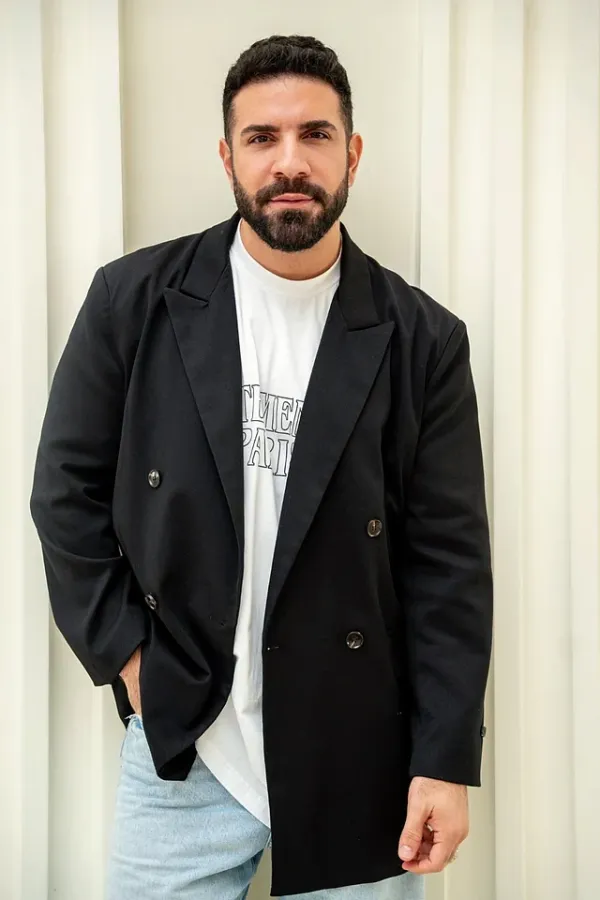
Ahmad Ammar
“That hasn’t changed, and Gen-Z hasn’t walked away from that world at all. What I see instead is how they’ve adapted it. My Gen-Z clients still love luxury, but they want it to feel more personal and less forced. They’re drawn to strong craftsmanship and detailed pieces, but with a modern attitude: cleaner lines, greater comfort, and greater confidence in how they wear it.
“Fashion for them isn’t about following tradition blindly or showing status just for the sake of it; it’s about expressing who they are while still honouring where they come from.”
Research echoes Ammar’s experiences in the luxury fashion industry. Last September’s report by Mintel, ‘Key Consumer Trends Shaping the Future of Luxury Retail’, noted the huge shifts, including Gen-Z’s affiliation to the likes of sustainable, ethical and home-grown brands over global names. “While price and prestige have long been key to defining what a luxury brand or product is, younger shoppers are looking beyond these features and perceive luxury to be tied to quality, uniqueness, and self-expression.
“Luxury is less about status symbols and more about individuality and emotional connection. Offering personalisation and opportunities to co-create can attract younger generations, who are primarily interested in expressing their individuality and seeking luxury goods and experiences to reflect that. Bespoke products, customisation, limited editions, and opportunities to co-create with brands resonate strongly, highlighting the shift in luxury consumer behaviour toward a personalised demand,” the report noted.
The emotional aspect remains a decider, Ammar said. “As a designer working in luxury, bridal, and party gowns, I see luxury today as emotion and intention. It’s how a woman feels walking into a room, how a gown moves with her, how a piece tells a story, whether it’s for a wedding, a henna night, or a celebration. For Gen-Z in the UAE, luxury is still visible and powerful, but it’s quieter, more refined, and much more about presence than labels.”
The Mintel report predicts that by 2030, Gen-Z will make up 80 per cent of the luxury market, increasingly redefining its parameters, as can already be seen in industries such as pre-loved fashion, which is now booming even in the UAE. Last year’s ‘GCC Secondhand Apparel Market Outlook 2025 to 2035’ report by Future Marketing Insights stated that the GCC secondhand apparel market, expected to reach $1.3 billion in 2025 and is projected to grow at an 11.6 per cent CAGR from 2025 to 2035, reaching $4 billion by 2035. “Increased environmental consciousness among Gen-Z and millennial consumers is driving the shift towards circular fashion. Sustainability goals and projects driven by the government, such as Dubai Sustainable Fashion Days, are increasingly making secondhand shopping mainstream across all socio-economic segments,” it said.
The Mintel report echoed the predictions. “Luxury retail is no longer as straightforward as it used to be–once defined by status and price–emotion, ethics, and experience increasingly shape it,” it said. “As luxury consumers look for purchases that reflect their identities, values, and aspirations, brands are being pushed to evolve faster than ever before.”
Longevity-focused lifestyleDubai-based life coach Rebecca Silver says she sees the Gen-Z transition too. “In my wellness concierge practice, I have noticed a shift: health-focused clients are becoming progressively younger. Gen-Z, in particular, is moving away from material acquisition towards quality of life, vitality, and well-being. Rather than spending on traditional status symbols, many are choosing to invest in health treatments, therapies and restorative experiences that support both physical and mental health,” she said.
Rebecca Silver
In terms of consumerism, she said they are well-informed and care deeply about ingredient sourcing and the sustainability of the products they buy. In addition, she says there is a priority on work–life balance and mindfulness over high salaries or traditional corporate success, which they often associate with burnout and chronic stress.
“For them, a longevity-focused lifestyle that prioritises self-care has become the new marker of luxury, replacing designer labels and excess with conscious, health-centred living,” she said.
Egyptian student Fatma Tamer, 22, is studying psychology at the Canadian University of Dubai, and says that to her, luxury is choice and control over her time. “It is something internal rather than symbolic, something you feel rather than something you display. Luxury is having a sense of control, satisfaction, and peace with where you are. It is about quality over labels and valuing what genuinely adds meaning to your life, not what simply appears impressive from the outside,” she said.
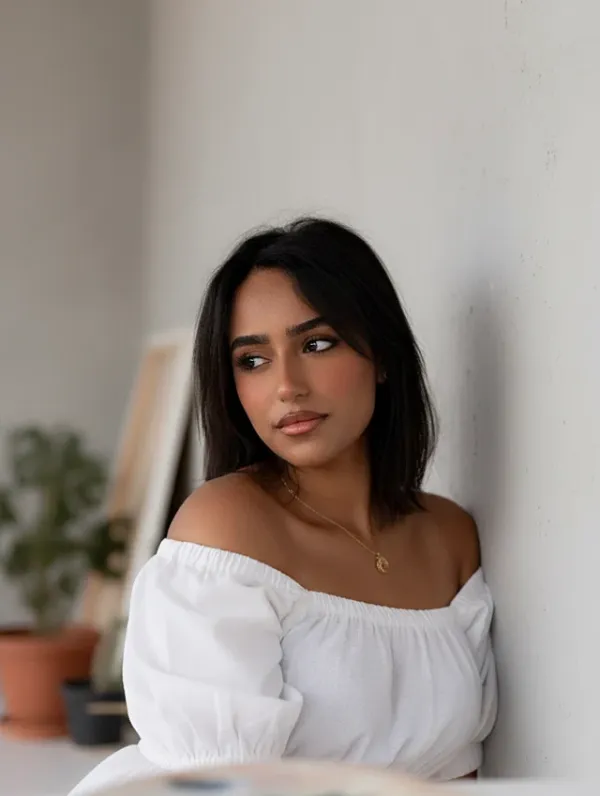
Fatma Tamer
However, while luxury is more accessible and integrated into everyday life in the UAE, environmental differences exist across Gen-Z. “In the UAE, luxury becomes part of the lifestyle, standards, and expectations. In my home country, luxury feels more distant and limited to specific areas, making it more aspirational than lived. This level of exposure in the UAE naturally shapes how young people perceive and value luxury,” she explained.
Why Gen-Z doesn't feel the same about traditional life goals Why Gen-Z believes financial literacy goes beyond budgeting, credit rating