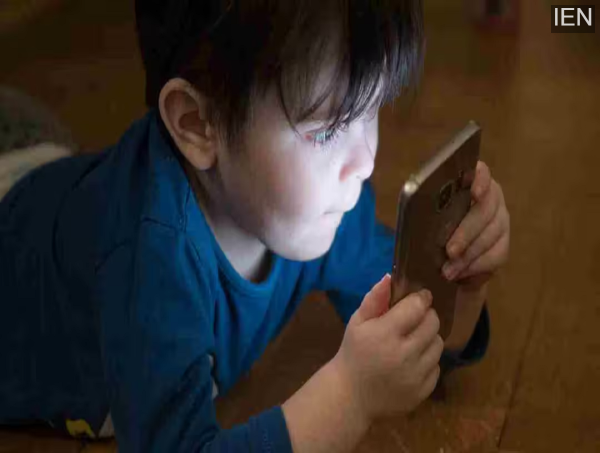
Smartphone Tips: In today's world, children spending excessive time on smartphones and screens has become a major concern for most parents.
Smartphone Tips: In today's world, children spending excessive time on smartphones and screens has become a major concern for most parents. According to a recent report, a large number of parents believe that excessive screen time is affecting their children's mental health. Concerns about social media, internet safety, and constant gadget use have increased rapidly.
Children engrossed in screens, missing out on real life
Health and science journalist Catherine Price believes that when children are constantly immersed in screens, they become disconnected from real-life experiences. They neither get the opportunity to learn essential real-world skills nor do they learn to interact with people face-to-face. This is why serious consideration of screen time has become necessary.
Research-based advice to guide children in the right direction
Catherine Price, along with Jonathan Haidt, author of ‘The Anxious Generation,’ has worked on the impact of screens and social media on children and adolescents. Her book, The Amazing Generation: Your Guide to Fun and Freedom in a Screen-Filled World, offers several practical suggestions for parents that can be applied not only in the US but worldwide.
Lead by example, only then will children understand
The most effective way to change children's habits is for parents to model the behavior they want to see in their children. If you yourself spend too much time on your phone or laptop, it becomes difficult to set boundaries for your children.
Experts say that parents should ask themselves what habits they are demonstrating to their children. They can even give their children the right to call them out if they are using screens excessively. Instead of a separate phone for every child, opt for a family phone.
Instead of giving young children their own smartphones, a better option might be to have one or two phones for the whole family. This helps children understand that a phone is a tool for necessity, not something to be used constantly.
Encouraging children to use a landline or a basic phone at home to talk to friends and relatives improves their communication skills. For after-school activities or outings, a simple option like a flip phone that can be taken and returned as needed is sufficient.
Let them take responsibility for their own smartphone.
Experts believe that the longer you delay giving children a smartphone, the better. If you want to postpone it even further as they get older, you can tell them to buy their own smartphone. When children know they have to pay for the phone with their own hard work, they themselves reconsider the decision. This also teaches them important life skills such as hard work, patience, and working towards a goal.
Balance is the real solution.
It's not possible to eliminate smartphones and technology, but setting appropriate boundaries is crucial. If parents set sensible rules and follow them themselves, children's attention can be redirected back to studies, play, and the real world.