Tariffs: Recent developments in international politics have triggered intense global discussion after a series of private diplomatic messages were made public by US President Donald Trump. The incident has drawn attention not only to the content of these communications but also to the broader geopolitical tensions involving Europe, North America, and the Arctic region. What began as an online post soon evolved into a complex diplomatic situation involving allies, trade threats, and renewed debates over territorial influence.
The controversy began when Donald Trump shared screenshots of what appeared to be private text messages exchanged with French President Emmanuel Macron and NATO Secretary General Mark Rutte. These messages were posted on Trump’s social media platform Truth Social, immediately drawing attention from global media outlets and political analysts.
In the message attributed to Macron, the French leader expressed alignment with Washington on several international security issues, including the situation in Syria and potential cooperation regarding Iran. However, Macron also questioned the US administration’s intentions regarding Greenland, indicating confusion over Washington’s growing interest in the territory.
Macron’s message went further by proposing a diplomatic meeting involving major global stakeholders. He suggested organizing a G7 discussion in Paris following the World Economic Forum in Davos. According to the text, the meeting could include representatives from Ukraine, Denmark, Syria, and Russia, with an informal dinner aimed at easing tensions and fostering dialogue. This proposal highlighted France’s preference for multilateral engagement rather than unilateral action.
In a separate post, Trump shared a message attributed to Mark Rutte, who praised the US president’s actions in Syria and acknowledged American involvement in other conflict zones such as Ukraine and Gaza. Rutte reportedly expressed commitment to working toward a constructive solution on Greenland, signaling NATO’s awareness of the strategic sensitivities surrounding the island. The message reflected ongoing alliance dynamics and the importance placed on coordinated security narratives within the transatlantic framework.
Alongside the disclosure of private messages, Trump escalated economic pressure on France by announcing a proposed 200 percent tariff on French wines and champagnes. This move followed criticism from Paris regarding Washington’s stance on Greenland. The tariff threat was widely interpreted as a political signal rather than a purely economic measure, illustrating how trade policy can be used as leverage in diplomatic disputes. Such actions raised concerns within European markets and revived debates over protectionism and retaliatory trade measures.
The situation further intensified when Trump openly criticized Denmark, accusing Copenhagen of failing to address what he described as a long-standing Russian security threat to Greenland. He argued that NATO had urged Denmark for years to strengthen its position on the island and suggested that decisive action was now inevitable. These statements placed Greenland at the center of a growing diplomatic standoff between Washington and several European capitals.
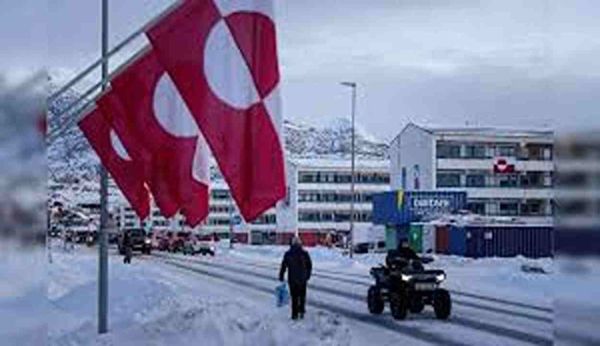
Greenland holds increasing strategic value due to its location in the Arctic and the region’s growing relevance in global security and trade routes. Although Greenland is a self-governing territory, Denmark retains authority over defense and foreign affairs. The United States already maintains a significant military presence on the island, reflecting long-standing security cooperation. As climate change accelerates Arctic accessibility, global powers are paying closer attention to the region’s geopolitical potential.
Since returning to office in 2025, Trump has repeatedly expressed his desire to obtain Greenland, framing the issue as a matter of national and international security. His public sharing of private diplomatic communications represents a departure from traditional norms and raises questions about trust, confidentiality, and negotiation strategies among allies. The episode underscores how modern diplomacy is increasingly shaped by social media, public messaging, and rapid information dissemination.