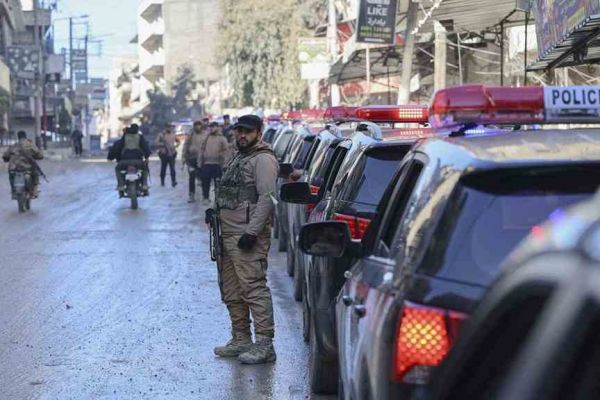
Northern Syria: Syria has announced a temporary halt to military operations across all active sectors, marking a significant moment in the country’s ongoing efforts to stabilize its northern regions. The four-day ceasefire, declared by the national defence authority, reflects an attempt to reduce tensions, build trust, and create political and security space for dialogue with the Syrian Democratic Forces. The decision comes at a time when northern and northeastern Syria are facing renewed uncertainty, making this pause in hostilities particularly important for both local communities and national stakeholders.
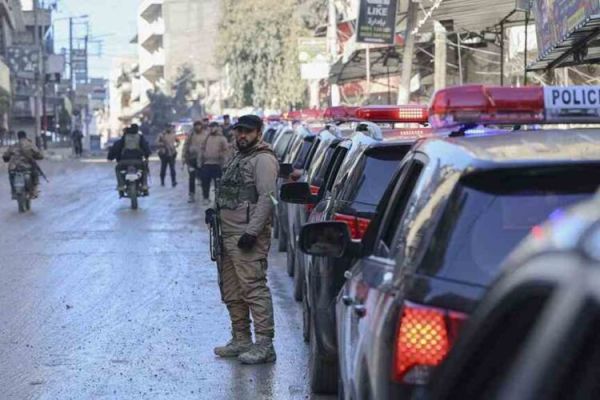
The ceasefire was officially announced on Tuesday evening and took effect at 8:00 p.m. local time. According to statements released through state media, the move is directly linked to recent understandings reached with the Syrian Democratic Forces. Authorities described the measure as part of broader national efforts aimed at maintaining internal security and preventing further escalation on the ground.
Officials emphasized that this pause is not merely symbolic. Instead, it is intended to serve as a confidence-building step that allows both sides to explore mechanisms for cooperation without the pressure of active military confrontation. In a region where mistrust has long undermined political agreements, such measures are seen as essential for meaningful progress.
Earlier on the same day, Syria’s interim authority revealed that a preliminary understanding had been reached regarding the integration of Hasakah province. This development followed several days of instability, including security breakdowns that highlighted the fragile nature of governance in northern Syria. The province of Hasakah has long been a strategic and politically sensitive area due to its diverse population and economic importance.
Under the announced understanding, the Syrian Democratic Forces were granted a four-day period to conduct internal consultations. During this time, they are expected to submit a comprehensive plan outlining how integration mechanisms would be practically implemented. This approach allows for internal consensus-building within the SDF while keeping the broader political process on track.
One of the most notable elements of the agreement involves the positioning of Syrian military forces. If the integration plan is finalized, national forces will refrain from entering the centers of Hasakah and Qamishli. Instead, they will remain stationed on the outskirts of these cities while negotiations continue on a gradual and peaceful integration timetable.
Additionally, the agreement specifies that national forces will not deploy inside Kurdish villages. Security in these areas will be maintained exclusively by locally recruited units drawn from residents. This arrangement aims to reduce fears among local populations and ensure that security measures are culturally and socially sensitive.
The agreement extends beyond military considerations to include political and administrative integration. SDF commander Mazloum Abdi is expected to nominate candidates for several key positions. These include the deputy chief of the defence authority, the governor of Hasakah, representatives to the national parliament, and individuals to be employed within state institutions.
Both sides have also agreed in principle to integrate all SDF military and security personnel into the national defence and interior authorities. While discussions on the technical details of this process are ongoing, the commitment signals a willingness to move toward unified state structures. Civilian institutions currently administered by the SDF are also set to be merged into the interim authority, further reinforcing the idea of institutional unity.
An important aspect of the announcement is the interim authority’s recognition of Kurdish linguistic and cultural rights. Addressing long-standing citizenship-related concerns, officials stated that these issues would be handled as part of the broader integration process. This acknowledgment is likely intended to reassure Kurdish communities that their identity and rights will be respected within a unified national framework.
The ceasefire and integration talks come against a backdrop of heightened tensions across northern and northeastern Syria. Recent clashes, prison security incidents involving Islamic State detainees, and waves of population displacement have all underscored the fragility of existing arrangements. These challenges highlight why sustained dialogue and carefully managed security measures are crucial for long-term stability.
Following the announcement, Mazloum Abdi stated that SDF forces had redeployed to areas with a Kurdish majority. He described the protection of these areas as a non-negotiable priority, signaling that while dialogue is ongoing, the SDF remains prepared to defend what it considers core interests if necessary.
The four-day ceasefire represents a cautious but meaningful step toward de-escalation and cooperation. While many details remain unresolved, the emphasis on dialogue, local security arrangements, and cultural recognition suggests a more inclusive approach than in previous attempts at reconciliation. Whether this initiative leads to lasting stability will depend on the successful implementation of agreed mechanisms and the ability of all parties to maintain trust beyond the ceasefire period.