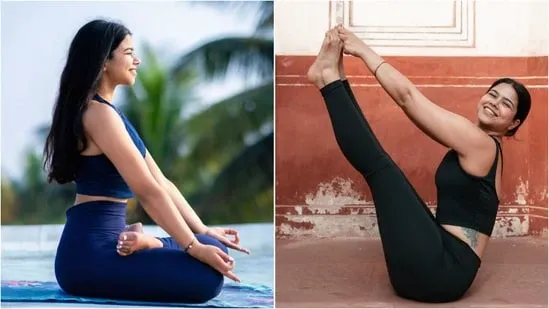
With work-from-home routines, endless screen time, and increasingly sedentary lifestyles, especially among Gen Z, movement has quietly taken a back seat.
In an interview with HT Lifestyle, Sonakshi Dhamija, authorised Ashtanga yoga teacher and founder of The Shala Delhi, breaks down why yoga is no longer optional but essential, how beginners can start without pressure, and why true wellness goes far beyond weight loss and Instagram-perfect poses.
Excerpts from the interview:
With long hours of work-from-home and increasingly sedentary lifestyles, why do you think yoga has become so essential today, and why should it be part of a daily routine?
Yoga is absolutely essential, especially because people are sitting so much these days. Human bodies were not meant to just sit and work on computers. Our bodies require movement; they demand it.
When movement doesn't happen, and we ignore the signs, physical and mental problems start arising. If you're young, you might not feel physical discomfort yet, but you can feel the stagnation in your body, and that stagnation also affects your mind.
Yoga is incredibly beneficial because it moves your body and has a profound effect on your mind as well. It influences your thought process, your mood, how joyous you feel, how connected you feel to yourself, and how authentic you feel. Everything is interrelated. So any movement, especially yoga, is really beneficial for overall well-being.
Are there specific yoga styles or practices you recommend for beginners who are new to fitness or movement?
I think, with so much information out there, it can feel overwhelming. But really, you only need to focus on three things: sleep, food, and exercise. If these three are sorted, you are mostly sorted. Sleep well, eat well, move well, these are the essentials. Everything else is just noise.
To begin, start simple and small. Don't set lofty goals like losing five kilos in a month. Such goals are often unrealistic, especially if made without guidance from trainers or yoga teachers. Most people give too much importance to numbers and not enough to how they feel in their bodies.
If your goal is simply to be active, even small steps count. Getting up, drinking a glass of water, taking a walk, or playing with your dog, these are all forms of activity. Lifestyle-related goals work best. For instance, decide, "This year, I will start doing yoga twice a week." Start small and sustainable, don't set yourself up for disappointment.
A lot of information on social media promotes quick fixes, like "do this one pose and lose belly fat" or "fix your back pain in a week." What are your thoughts on that?
These are just gimmicks. Many people fall into the trap of believing in an image-based perception: that you must look a certain way even if you feel awful inside.
True well-being is about feeling good, being active, walking without fatigue, recovering fast when travelling, regulating your emotions, and sleeping well. Weight loss or muscle tone is just a byproduct of regular activity, not the goal itself.
Prioritise lifestyle changes over quick fixes. That's the sustainable way to live healthily.
If someone has only 15-20 minutes a day, what are the most effective yoga poses or routines they can do?
My teacher used to say, "Anybody can do yoga, old people can, sick people can. Only lazy people can't." So the first step is to overcome laziness and make it a routine. If you only have 10-15 minutes, start with walking. It's simple, underrated, and hugely effective. Walking changes your physical space, your focus, and your breathing. Do it without your phone-music is fine, but avoid screens.
You can also make movement social. Instead of meeting friends for drinks, plan activities: walk together, go climbing, take a yoga class, or even try pottery. Movement can be fun and communal.
What are common mistakes beginners make when starting yoga, and how can they avoid them?
The most common mistake is having unrealistic expectations, both of themselves and the practice. People want overnight results. But if you've been unhealthy for years, it won't be undone in a few weeks. Habits take time to change. I suggest being consistent for at least six months. Results may appear sooner, but give yourself space to build a routine without pressure. You might be pleasantly surprised by improvements in fitness, mood, and overall well-being.
How can yoga help people who spend long hours sitting or on screens, especially when posture and back issues are common?
Yoga is excellent for posture correction. It teaches you to stand straight, use your spine, engage your core, and sit correctly without straining your neck.
Yoga also has exercises to release strain in the eyes and shoulders. Most structural issues occur in the shoulders and spine. Simple movements, like rotating shoulders or seated twists, help decompress the spine, which gets compressed from sitting all day. Hanging upside down is another effective way to decompress, gravity helps immensely.
Apart from physical benefits, what are the mental health benefits of yoga? Are there specific breathing or mindfulness techniques that help reduce stress and improve focus?
The mental and physical benefits of yoga are innumerable. One simple technique is Bhramari Pranayama. Close your eyes, cover your ears with your thumbs, and create a small echo chamber. Take a deep breath in, and while exhaling, make a humming sound. Doing this for 2-5 minutes has a calming effect, refreshes the mind, and helps reset after stress, arguments, or uncomfortable situations. It's an immediate way to reconnect with yourself.
What advice would you give beginners who want to stick to a consistent yoga practice despite a busy schedule?
Don't put too much pressure on yourself. Consistency is key, even 30 minutes a day counts. If someone says they don't have 30 minutes, I suggest checking their screen time and reallocating 30 minutes to themselves. Small, consistent steps build sustainable habits.