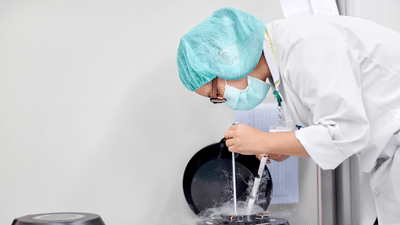
Egg retrieval is a key procedure in the IVF process, where doctors collect mature eggs from the ovaries for fertilisation. It can feel exciting, emotional, and even a little overwhelming, especially if it’s your first IVF cycle. But it also raises many questions for hopeful parents.
Knowing what happens during the procedure, how recovery works, and what risks to be aware of can make this stage feel easier and more predictable. Understanding egg retrieval enables you to take an active role in your fertility treatment and prepares you for the next steps ahead.
What Happens During Egg Retrieval?The egg retrieval procedure typically takes place 34–36 hours after your trigger shot, when the eggs reach ideal maturity. The medical team administers mild sedation or anaesthesia to ensure you remain relaxed, comfortable, and pain-free throughout the process.
During the procedure, the doctor inserts a thin ultrasound-guided needle through the vaginal wall to access the ovaries and aspirate the fluid from each follicle. This fluid contains the eggs, which the team immediately transfers to the embryology lab. Embryologists then examine the collected eggs, grade their maturity, and prepare them for fertilisation using IVF or ICSI.
After retrieval, you rest briefly in a recovery unit, and most patients return home within a few hours. You may experience mild cramping, bloating, or light spotting. These temporary side effects generally improve over the next day or two as the body settles and hormones stabilise.
What are the Recovery Tips After Egg Retrieval?Recovering well after the procedure helps your body heal smoothly and prepares you for fertilisation and embryo development. Here’s how you can support your recovery.
Stay well-hydrated
- Drink plenty of water, electrolyte fluids, or warm herbal beverages. Hydration reduces abdominal bloating, supports kidney function, and helps the body adjust to hormonal changes after stimulation. Many women feel relief within 24-48 hours when they maintain good fluid intake.
Avoid heavy exercise
- Your ovaries remain enlarged for a few days after retrieval, so activities like running, weight training, or high-intensity workouts can increase discomfort or, in rare cases, lead to ovarian torsion. Gentle walks or slow stretching, as advised by your doctor, are safer options while your body settles.
Eat a light, nutritious diet
- Small, healthy meals are easier to digest and help regulate bowel movement, which can slow down due to bloating or medications. Include lean proteins, fruits, vegetables, soups, whole grains, and healthy fats. Avoid salty and processed foods, as they may worsen swelling.
Use a heating pad
- A warm pack placed over the lower abdomen can soothe muscle tension and reduce discomfort. Use short intervals of 10-15 minutes, keeping the heat moderate and avoiding direct contact with the skin.
Prioritise rest and sleep
- Fatigue is normal after retrieval because sedation and hormonal changes can leave you feeling drained. Rest as needed, avoid rushing into routine work, and allow your body time to restore energy. Get at least 7-8 hours of sleep every night to support healing and emotional balance.
Disclaimer: Before performing even light exercise or making any dietary changes, consult your doctor to prevent complications and ensure your recovery plan is safe for your body.
What are the Possible Risks or Side Effects After Retrieval?Egg retrieval is generally safe, but like any medical procedure, there may be risks, especially when the ovaries are heavily stimulated. Some of the possible risks include.
- Ovarian Hyperstimulation Syndrome (OHSS), including swelling, bloating, and nausea due to overstimulated ovaries.
- Bloating due to stimulated and enlarged ovaries
- Infection or bleeding, although rare.
- Cramping or discomfort in the abdomen for a few days.
- Reaction to anaesthesia, such as dizziness or nausea.
- Temporary fatigue or drowsiness from anaesthesia
- Risk of complications increases with higher egg counts or greater hormonal sensitivity.
Note: When you know these risks, you may stay alert and seek timely care if symptoms feel unusual or severe.
What to Do Next?Once egg retrieval is complete, doctors perform the following steps in the IVF process, but staying prepared makes the process smoother:
- Stay in touch with your IVF team about fertilisation results and embryo development.
- Discuss fresh embryo transfer vs. freezing based on your doctor’s advice.
- Continue medications as directed to support implantation.
- Prepare mentally and physically for the embryo transfer phase.
- Focus on rest, nutrition, and stress management in the coming days.
Egg retrieval is a key milestone in the IVF journey that brings you closer to embryo development and, ultimately, pregnancy. While the process is brief and generally safe, knowing what to expect, how to recover well, and which symptoms to monitor may help you continue this phase with confidence. Furthermore, good rest, mindful after-care, and close communication with your fertility doctor help in smooth fertilisation and embryo growth.
IVF can feel overwhelming, but you’re not alone. Join our IVF support group, where stories, guidance, and strength are shared daily.
FAQs on Egg Retrieval: What Happens, Recovery Tips, and Possible Risks
Is egg retrieval painful?
No, you won’t feel pain during the procedure because of sedation or anaesthesia, but mild cramping afterwards is common and usually settles within a few days.
Can I go to work the next day after egg retrieval?
Many women return to light work within 24 hours, but take adequate rest for at least a day, as advised by your doctor. Listen to your body and resume activities gradually.
Can egg retrieval fail?
Although rare, sometimes no mature eggs are obtained. Doctors may adjust medication or approach in the next cycle to improve outcomes.