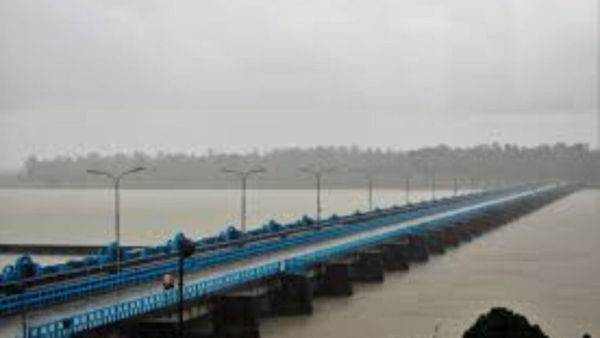
New Delhi: Amidst the ongoing tension in relations between India and Bangladesh, water diplomacy has once again come to the center stage. In this context, Bangladesh has announced the construction of a big dam (barrage) on the Padma river. This decision has been taken at a time when there is no consensus between the two countries on the renewal of the Farakka Water Treaty to sharing of Ganga river water. Experts believe that this step can create new complications in India-Bangladesh relations.
Farakka Water Treaty
Farakka Water Treaty was signed between India and Bangladesh in 1996. Under this agreement, every year between January 1 and May 31, the water of Ganga river is divided between the two countries as per the rules decided. This treaty was for 30 years, ending in 2026. However, concrete talks regarding renewal of the treaty have not yet progressed. Due to political and diplomatic differences between the two countries, it seems difficult to reach a consensus on this issue.
Meanwhile, Bangladesh Water Development Board has allocated an amount of more than 50 thousand crore taka to build a barrage on Padma River. Padma River is a major stream of Ganga, which originates from India and flows into Bangladesh. The project is likely to be set up in Kushtia district of Bangladesh, which is located about 180 kilometers downstream of India’s Farakka Barrage.
Bangladesh argues that this barrage is needed in view of irregularities in water flow and shortage of water during drought.
There have been disputes between India and Bangladesh many times in the past regarding Farakka Barrage. Even during the flood of 2024 in Bangladesh, allegations were made from there that the situation worsened due to sudden release of water from Farakka Barrage.
Now with the announcement of a new barrage on the Padma river, it is feared that the dispute over water flow may deepen further.
Bangladesh says that through this barrage, the excess water coming during monsoon will be stopped and later it will be used at the time of need. But for India this issue is not limited to water management only.
Actually, this announcement has come at a time when India-Bangladesh relations are already going through a cold phase. Apart from this, China’s increasing interest is also increasing India’s concern.
China is already working with Bangladesh on the Teesta River Master Plan. Recently, Dhaka-based Chinese Ambassador Yao Wen visited northern Bangladesh, which is very close to India’s strategically important Siliguri Corridor.
At the same time, no agreement has been reached yet on sharing of water of Teesta river between India and Bangladesh. West Bengal Chief Minister Mamata Banerjee has been continuously raising objections on this issue and says that this could lead to water crisis in the state.
Analysts believe that the decision to build a barrage on the Padma River indicates that Bangladesh is currently in no mood to resolve water disputes with India and is giving priority to cooperation with China. In such a situation, it has become necessary for India to keep a vigilant eye on this entire development and adopt a balanced but strong stance at the diplomatic level, so that regional stability and its interests can be protected.