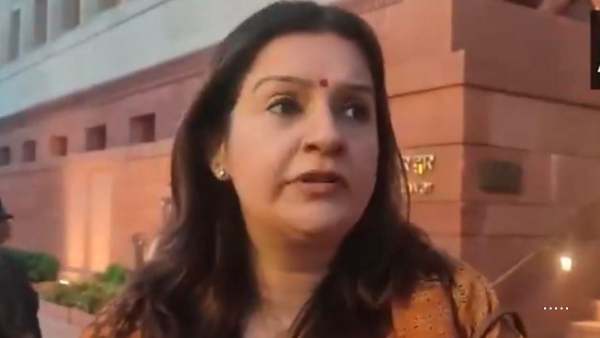
Shiv Sena MP Priyanka Chaturvedi has criticized the UGC’s Promotion of Equity Regulations, 2026, citing lack of clarity, selective application, and potential misuse. The rules aim to curb campus discrimination but face backlash over fears of bias against upper-caste students. Chaturvedi urges the UGC to withdraw or revise the regulations to ensure fairness and prevent campus tensions.
New Delhi: Shiv Sena (UBT) MP Priyanka Chaturvedi has raised strong objections to the University Grants Commission’s Promotion of Equity Regulations, 2026, questioning their scope, clarity, and selective application while warning that poorly framed rules could deepen tensions on university campuses.
Reacting to the UGC’s January 2026 notification, Chaturvedi took to the social media platform X to underline concerns over uneven legal safeguards.
In her post, she wrote, “While any kind of caste discrimination on the campus is wrong, India has seen enough of students having to suffer the consequences of it; shouldn’t the law be encompassing and ensure protection is guaranteed to all? Why this discrimination in the application of the law?”
She further questioned the absence of safeguards against misuse, asking, “What happens in case of false cases? How does one decide guilt? How does one describe discrimination -- through words, actions or perceptions?”
Stressing the need for clarity, she added, “The applicability of law has to be clear, precise and equal for all. Hence, instead of creating a bad environment on campuses, I’d urge that the UGC notification either be withdrawn or corrected.”
About UGC's Promotion Of Equity Regulations, 2026
The UGC’s Promotion of Equity Regulations, 2026, aim to strengthen anti-discrimination mechanisms in higher education institutions.
The rules mandate the creation of equity committees, equal opportunity centres, helplines, and monitoring squads in colleges and universities.
They define discrimination broadly, including explicit acts as well as implicit bias and systemic exclusion.
According to the UGC, the regulations were framed in response to a reported 118 per cent rise in discrimination complaints between 2019 and 2023, with a particular focus on protecting Scheduled Castes, Scheduled Tribes and Other Backward Classes.
However, the notification has sparked mixed reactions. Voices from the general category have criticised the regulations for what they describe as a one-sided framework, arguing that protections for the accused are insufficient and that upper-caste students could be unfairly targeted.
Supporters of the regulations, on the other hand, have defended them as necessary corrective measures to address historical marginalisation, insisting that the rules do not amount to reverse discrimination.
The regulations also seek to introduce institutional accountability, placing responsibility on heads of institutions for addressing harassment complaints and ensuring compliance through regular oversight.
While the UGC maintains that the framework aims at long-term structural reform, critics argue that without equal application and precise definitions, the rules risk increasing mistrust and conflict on campuses rather than fostering genuine equity.
(Except for the headline, this article has not been edited by FPJ's editorial team and is auto-generated from an agency feed.)