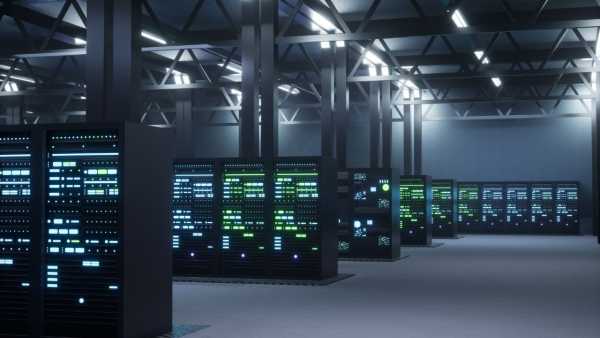
The capacity of data centers in India can reach 14 GW by 2035. The government is trying to attract big data centers (hyperscale facilities) through Budget 2026 by providing cheap land, tax exemption and relief in electricity tariffs. According to PwC report, by 2035 there could be an investment of about $70 billion in this sector. But the question is whether environmental balance (sustainability) can also be maintained with such rapid growth?
Data centers are huge consumers of both electricity and water. Services like AI chatbot, UPI, video streaming and generative AI run on these. At present, 1520% capacity of data centers in India is being used for AI, which can increase to 4050% by 2030. This means higher power consumption, more heat and the need for a better cooling system.
Experts say that India is still in the initial phase in this sector, hence green and sustainable data centers can be built from the very beginning. Making changes later increases the cost significantly.
A 1 MW data center can use about 68,500 liters of water per day just for cooling. There is already a severe water shortage in cities like Mumbai. Therefore, experts are demanding that the government should give subsidy on green technologies like advanced cooling systems, battery storage and energy efficient systems.
Industry experts say that if the government promotes hybrid model by combining solar, wind and storage, then data centers can get 24×7 green power. This will reduce pollution and the sector will also become sustainable.
From Budget 2026, it is expected that the government will bring a clear and strong national policy for data centers, so that India becomes an AI and digital hub, but without harming the environment. Now all eyes are on February 1, when Finance Minister Nirmala Sitharaman will present the budget.