Indian Exporters Gain, EU Access
The FTA also promises substantial benefits for Indian exporters. Products such as textiles, garments, gems and jewelry, engineering goods, and processed food will enjoy better market access and reduced duties in Europe. In return, the EU seeks improved access to certain services, wine, spirits, and greater mobility for skilled workers in India. The deal marks the culmination of more than 20 years of stalled negotiations, driven now by strong political will on both sides. Several technical chapters have already been closed, with only a few sensitive issues remaining.
Momentum Builds For India-EU Deal
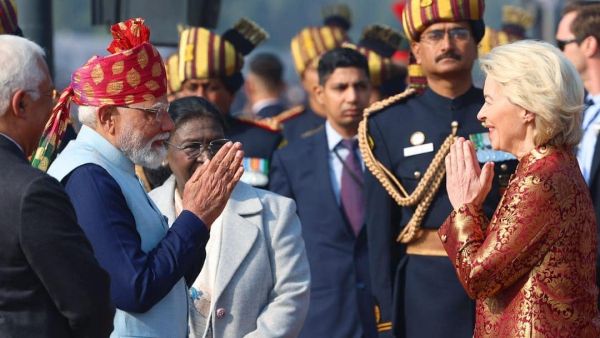
High-level meetings held during India’s Republic Day celebrations, including European Commission President Ursula von der Leyen and European Council President Antonio Costa, have contributed to a positive momentum toward finalisation. Commerce Secretary Agrawal emphasised that the agreement will strengthen supply chains, attract more investment, and expand India’s exports, enhancing the country’s position in the global economy. European companies will gain access to India’s fast-growing market, while Indian consumers will benefit from a wider choice of cars at lower prices.