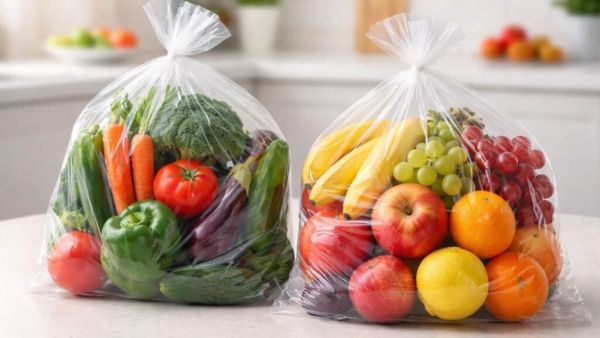
We all have the habit of buying vegetables from the market and keeping them in polythene, but do you know that this habit can be detrimental to both your health and the freshness of the food. Moisture trapped in polythene, lack of air and chemicals present in plastic together can spoil the quality of food items.
If you want fruits and vegetables to remain fresh for a longer period and their nutrients remain safe, then it is important to change the method of storage. Some safe options should be adopted instead of polythene.
Phthalates are used to make plastic bags, which are a group of synthetic chemicals that make plastic more flexible, durable and long-lasting. These chemicals come in contact with food items and get mixed in them. In such a situation, you can fall ill by eating these vegetables.
Air exchange is not possible in polythene. The moisture accumulated inside creates a favorable environment for bacteria and fungus. Due to this, vegetables start rotting quickly and lose their freshness.
Green leafy vegetables and many fruits ‘breathe’. When they are kept in closed polythene, they start rotting quickly, the taste changes and their shelf life gets reduced. If fresh produce is kept in polythene for a long time, its nutritional value may gradually reduce. The level of vitamins and minerals starts falling, due to which the real benefits of food are not available.
If you want your children to be healthy, then instead of storing vegetables and fruits in polythene, keep them in cotton or cloth bags. Cotton bags help in maintaining air flow.
You can use glass boxes or light open containers to store vegetables. This will not spoil the vegetables and you will be able to use them for a long time.
Paper bags absorb moisture. This does not spoil the vegetables. Therefore, next time instead of polythene, use paper bags to keep vegetables and fruits. Keeping green vegetables wrapped in a clean, dry cloth maintains their freshness.