



The quality of Indian democracy has always been spotty. Most Indians view politicians as crooks and rascals, out to get rich and build vote banks to help their re-election. James Buchanan won the Economics Nobel Prize in 1986 for showing why politicians cannot be trusted to work for the public interest: they are too busy working for their private interests. Indian politicians spend crores on fighting elections and, if successful, try to get a good RoI through perversions of power.
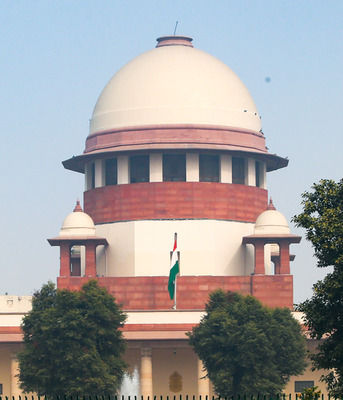
Even as elected politicians are widely looked down on, the institutions commanding the most public respect are two unelected ones: armed forces and Supreme Court. They are respected precisely because they are seen as untouched by politics. That was also true of those who created the Constitution in 1950. They showed how and why unelected people in positions of power can be as important as elected ones.
Many think of Republic Day as one of military parades and patriotic song-singing. But at its heart is the celebration of India's constitution declaring it to be a democratic republic. The Constitution said India would have no discrimination on the basis of caste, religion, gender or place of birth, and many other human rights. It ensured not just rule by elected majorities, but checks and balances to ensure that democracy could not slide into majoritarianism, a form of autocracy in disguise.
Democracy requires much more than holding elections. Dictators across the world hold elections and make quite sure they win. PM of communist Albania Enver Hoxha was outraged when he got only 99.9% of the vote, and not 99.99% he expected.
Democracy stands on two pillars. One is constitutional democracy, which lays down the rules of political engagement. The second is popular democracy, which elects governments. The latter, with constant elections and changes of power, dominates our attention. Yet, constitutional democracy is more important. Popular democracy empowers majority groups. But constitutional democracy protects minorities, crucial to ensure rights for all.
Democracy is critically about the right to dissent and criticise the ruling majority. Historically, dissent was equated with treason - you could be beheaded for opposing the ruler. But democracy not only permitted dissent but also raised it to a place of honour. The leader of the opposition is not merely a dissenter but is recognised as a potential future PM. That is why he gets Cabinet rank.
Constitutional democracy nurtures dissent, which elected politicians would dearly love to squash if they could.
Left to themselves, politicians would place no voluntary limits on their powers. To win elections, they would ensure by fair means or foul that they could hobble or criminalise dissenters, thus perpetuating their rule through what Fareed Zakaria has called 'illiberal democracy'. This, alas, has been a growing trend in countries across the world.
Popular democracy is short-termist. Politicians are elected for only a few years, and seek policies and actions that yield immediate, visible results. They are not very interested in long-term reforms that might help the country immensely, but will only benefit some future government.
Creating job and educational quotas for backward castes and Muslims is simpler than to invest in basic education that empowers them to compete without props. Indian politics is overwhelmingly about freebies and job reservations, not creation of strong independent institutions that ensure excellent public goods for all - personal security, equal access to the police - judicial system, basic education, basic health, clean air and water, and freedom of thought and action.
Every country needs strong institutions that work without political interference. The Economics Nobel in 2024 went to Daron Acemoglu and Simon Johnson for highlighting the importance of strong, independent institutions in achieving sustained prosperity.
Sadly, it's against the short-term interest of politicians to have a system where everything works smoothly. Rather, they want a system where things do not work well, enabling politicians to intervene and be seen helping voters. Politicians often create controls in the name of socialism, and then use those controls to build their patronage networks and line their pockets. Power and money flow from the file that does move fast or automatically.
Members of the constituent assembly did not face such perverse incentives. They weren't elected, and didn't face re-election. They had no need to create patronage networks, or make money for fighting the next election. They were not obliged by the electoral cycle to focus on short-term fixes, and so could concentrate on long-term aims and ideals. These included creation of independent institutions that would provide checks and balances to the discretionary power of politicians.
Framers of our Constitution, ironically, contributed greatly to Indian democracy precisely because they were not elected.
Even as elected politicians are widely looked down on, the institutions commanding the most public respect are two unelected ones: armed forces and Supreme Court. They are respected precisely because they are seen as untouched by politics. That was also true of those who created the Constitution in 1950. They showed how and why unelected people in positions of power can be as important as elected ones.
Many think of Republic Day as one of military parades and patriotic song-singing. But at its heart is the celebration of India's constitution declaring it to be a democratic republic. The Constitution said India would have no discrimination on the basis of caste, religion, gender or place of birth, and many other human rights. It ensured not just rule by elected majorities, but checks and balances to ensure that democracy could not slide into majoritarianism, a form of autocracy in disguise.
Democracy requires much more than holding elections. Dictators across the world hold elections and make quite sure they win. PM of communist Albania Enver Hoxha was outraged when he got only 99.9% of the vote, and not 99.99% he expected.
Democracy stands on two pillars. One is constitutional democracy, which lays down the rules of political engagement. The second is popular democracy, which elects governments. The latter, with constant elections and changes of power, dominates our attention. Yet, constitutional democracy is more important. Popular democracy empowers majority groups. But constitutional democracy protects minorities, crucial to ensure rights for all.
Democracy is critically about the right to dissent and criticise the ruling majority. Historically, dissent was equated with treason - you could be beheaded for opposing the ruler. But democracy not only permitted dissent but also raised it to a place of honour. The leader of the opposition is not merely a dissenter but is recognised as a potential future PM. That is why he gets Cabinet rank.
Constitutional democracy nurtures dissent, which elected politicians would dearly love to squash if they could.
Left to themselves, politicians would place no voluntary limits on their powers. To win elections, they would ensure by fair means or foul that they could hobble or criminalise dissenters, thus perpetuating their rule through what Fareed Zakaria has called 'illiberal democracy'. This, alas, has been a growing trend in countries across the world.
Popular democracy is short-termist. Politicians are elected for only a few years, and seek policies and actions that yield immediate, visible results. They are not very interested in long-term reforms that might help the country immensely, but will only benefit some future government.
Creating job and educational quotas for backward castes and Muslims is simpler than to invest in basic education that empowers them to compete without props. Indian politics is overwhelmingly about freebies and job reservations, not creation of strong independent institutions that ensure excellent public goods for all - personal security, equal access to the police - judicial system, basic education, basic health, clean air and water, and freedom of thought and action.
Every country needs strong institutions that work without political interference. The Economics Nobel in 2024 went to Daron Acemoglu and Simon Johnson for highlighting the importance of strong, independent institutions in achieving sustained prosperity.
Sadly, it's against the short-term interest of politicians to have a system where everything works smoothly. Rather, they want a system where things do not work well, enabling politicians to intervene and be seen helping voters. Politicians often create controls in the name of socialism, and then use those controls to build their patronage networks and line their pockets. Power and money flow from the file that does move fast or automatically.
Members of the constituent assembly did not face such perverse incentives. They weren't elected, and didn't face re-election. They had no need to create patronage networks, or make money for fighting the next election. They were not obliged by the electoral cycle to focus on short-term fixes, and so could concentrate on long-term aims and ideals. These included creation of independent institutions that would provide checks and balances to the discretionary power of politicians.
Framers of our Constitution, ironically, contributed greatly to Indian democracy precisely because they were not elected.
(Disclaimer: The opinions expressed in this column are that of the writer. The facts and opinions expressed here do not reflect the views of www.economictimes.com.)
Swaminathan S Anklesaria Aiyar
Consulting Editor at ET