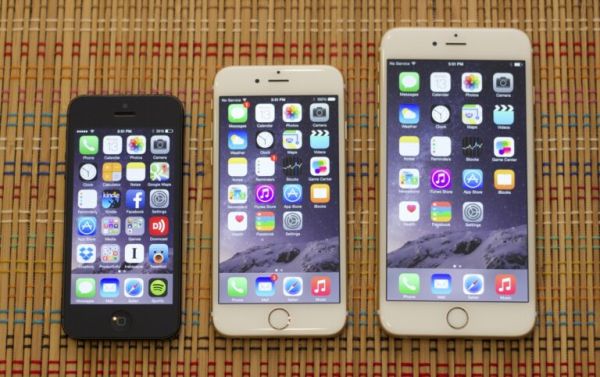
Apple has just released a rare and significant update for legacy hardware pushing iOS 12.5.8 (and the companion iPadOS 12.5.8) to keep essential services like iMessage, FaceTime, and device activation working far into the future on devices that can’t run modern versions of iOS.
This release arrives more than three years after the last update for the iOS 12 series and underscores Apple’s unusually long attention span for old hardware.
Apple’s update notes for iOS 12.5.8 make the purpose clear: the software extends a critical digital certificate that underpins key online services on older phones and tablets. Without this certificate refresh, services such as iMessage, FaceTime, and even basic device activation were on track to stop working after January 2027.
In practical terms, the certificate acts like a secure pass that allows these devices to connect safely to Apple’s servers. Once it expires, devices stuck on legacy software lose the ability to authenticate and run things like messaging and video calling even if the hardware otherwise works fine.
This isn’t a full operating system upgrade with new features or interface changes rather, it’s a maintenance patch that ensures older devices remain usable for basic communication well into 2027 and beyond.
The update applies only to devices that can’t be upgraded to the latest iOS versions, meaning those capped at iOS 12 due to hardware limitations. That group includes:
In other words, Apple is refreshing support for devices up to 13 years old, a remarkable lifespan in smartphone terms. The iPhone 5s, in particular, now continues to get service extensions 13 years after its original launch.
Without this certificate extension, older devices would eventually be locked out of Apple’s essential services not because they couldn’t run the software, but because the underlying digital trust fabric would age out.
That means users might soon have encountered situations where:
In other words, these devices would have been downgraded from “smartphones” to offline gadgets that can’t communicate over Apple’s networks. The update prevents those issues.
Unlike modern iOS versions (like iOS 26 or iOS 15), this update doesn’t bring modern features, performance boosts, or redesigned apps. Instead, it keeps existing services alive in their current forms.
That is typical of legacy updates: Apple has historically updated old versions of iOS with security patches or certificate extensions long after they stopped delivering major features.
But supporting devices that are well over a decade old especially for live services like messaging and video is noteworthy and highlights Apple’s long-term approach to software longevity compared with many competitors. (
Apple’s decision to issue this patch aligns with its evolving support philosophy:
Apple generally provides years of updates even after devices stop receiving full system upgrades. Recent examples include regular security and certificate patches for systems like iOS 15, iOS 16, and now iOS 12.
This approach contrasts sharply with typical Android handset lifespans, where major updates and service continuity often end much earlier. Apple updating a 13-year-old device is especially unusual and has been widely remarked upon as an edge over Android.
Devices capable of running iOS 13 or later continue to receive broader feature updates as part of Apple’s more current software efforts. But older hardware stuck on iOS 12 could easily have been left behind entirely without this certificate patch.
The iOS 12 era predates many modern Apple innovations such as current FaceTime features and Apple’s shift to iPadOS, but basic services like messaging and activation still matter to people who rely on these older devices.
Even though the certificate doesn’t expire until 2027, Apple and tech analysts recommend installing iOS 12.5.8 as soon as possible to:
Some of this advice comes from the practical experience that delays in installing updates can sometimes lead to complications later especially for devices that rarely receive patches.
For those holding on to an older iPhone, iPad, or iPod touch, this update is both reassurance and a lifeline. It means that although these devices can no longer run the newest iOS, they will continue to support core communication features through at least January 2027.
In a world where smartphones are often replaced every few years, Apple’s continued support stands out as a rare example of longevity and backward compatibility allowing older, well-loved devices to keep working longer than many users or competitors might expect.
While this update won’t usher in new bells and whistles, its importance lies in preserving the usefulness of legacy Apple devices. It’s a reminder that even hardware from the early 2010s like the iPhone 5s can remain functional as a communication hub with just a bit of maintenance support.
For older device owners, installing iOS 12.5.8 now ensures a smoother experience in the years to come and protects access to core services most people rely on daily.