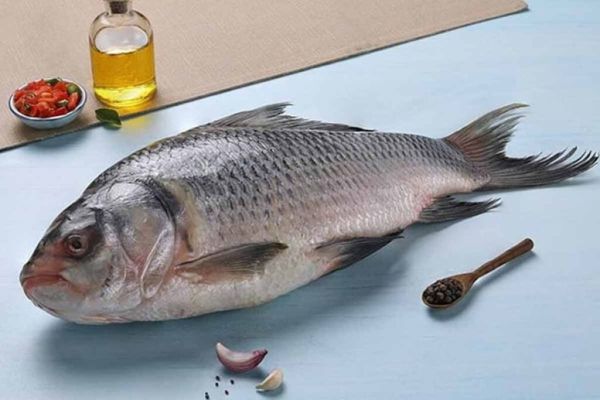
Sixth of Shukla Paksha of Magha month. This tithi means Gotashashti in Bankura of Rachabanga. This day has a special significance in the amalgamation of goddess vows, folk beliefs and food culture. His light fell from the previous day. As soon as the dawn of Friday dawns, from the fish market in the city to the market near the village, the preparations for Panta-Rui begin everywhere. Market-oriented housewives with the pull of cool food and sour taste. There was a huge crowd in the areas adjacent to Machantala fish market, Lalbazar and Bishnupur road in Bankura city since Friday morning. Although there were Rui, Katla, Mrigel arranged on the ice, the focus was mainly on Rui fish. With a tweezer in hand, a rush in the mouth – “I want good cotton today” – this demand has been heard from the mouths of buyers. Fish sellers claim that the demand for rooi is almost double during Gotashashti compared to other days of the year. Especially the cotton of one and a half to two kg weight has been sold the most.
The price has increased along with the demand. Medium cotton used to sell between Tk 250-280 per kg on previous normal days, but large size desi cotton went up to Tk 350 per kg on the eve of Gotashashti. The buyers said that two days ago, the same fish was available for Tk 250-280, today the same fish is being bought at Tk 300 more. A vendor at Machantala said, “The market does not function without cotton on Gotashashti. The fish I brought in the morning is gone before noon. Even though the price is a bit high, the buyers are buying it without waiting.”
Not only the city, but also many people from the surrounding villages come to the market early in the morning. Pantavat rice in someone’s basket, a bag of vegetables in someone’s hand – in the middle of it all, the inevitable accompaniment is rice fish. Shibu Das, a resident of Lalbazar area, said, “It doesn’t go well if you don’t have rui with pantabhat on Gotashashthi. If you have a big belly of rui, the taste of the broth is different.” His wife Meenakshi Das adds, “Jhal should be kept in moderation, if it is too much, heartburn is a problem.” Along with fish, the demand for vegetables has also increased. The market was crowded with green chillies, onions, lemons, green leaves and winter vegetables. The crowd in front of the basket of green onions is eye-catching. Haren Mahato, a vegetable seller, said, “Sales of green chillies and onions almost double on the eve of Gotashashti. Customers are asking for pure mustard oil. The taste of Pantavat is incomplete without it.” The same picture in the village market. In Onda and adjoining areas, the weekly market gets crowded in the afternoon. On the way back from buying cotton, the people were engrossed in Gotashashti’s story. According to many, the real taste of Pantavat is sour-sour. The custom of consuming ghol in case of heartburn has been passed down from generation to generation.
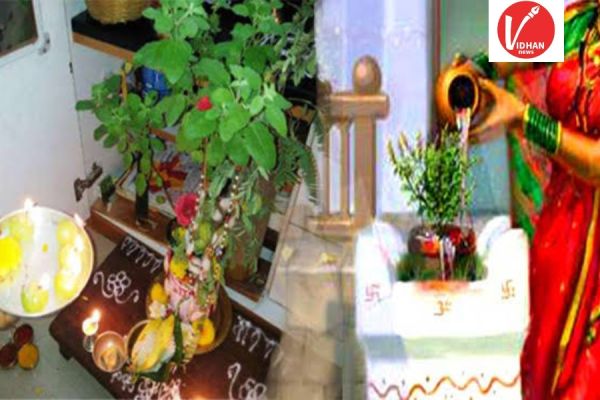
Gotashashthi is not only a festival of food, but also associated with the special ritual of Bankura. In many villages of the district, Shil-Nora is worshiped as Shasti Thakur on this day. According to folk beliefs, Shashti Tagore is the protector of children’s well-being. Avoid extra spices on this day in the belief that cool food keeps the body calm and the child well-being. The solder remains, but within limits. Folk culture researcher of Bankura Soumen Rakshit said that Shilasashthi or Gotashashthi is an important secular ritual of Rajabanga. Even in the rush of modernity, the culture and beliefs of rural Bengal are still preserved through this festival. From the throngs of the market to the puja of the house – all in all, Gotashashti is not just a tithi in the life of a Bankura, but a collective festival of taste, faith and tradition.