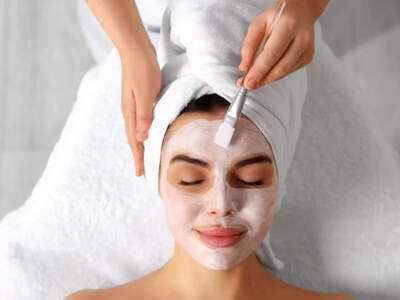
In many Indian homes, cream has been a traditional remedy for enhancing skin brightness and softness. The lactic acid and fats found in cream serve as natural moisturizers. However, it's important to note that cream isn't suitable for everyone, as different skin types react differently to it.
For individuals with certain skin types, using cream can lead to adverse effects. Here’s a closer look at who should steer clear of cream on their face.
People with Oily Skin
Those with oily skin may find that cream exacerbates their condition. Due to its high fat content, applying cream can create a thick, sticky layer that makes the skin appear greasy and diminishes its natural glow.
People with Acne and Pimples
If you often deal with acne or pimples, cream can worsen the situation. Its comedogenic properties can clog pores, leading to bacterial growth and worsening acne, particularly for those with cystic acne.
People with Blackheads and Whiteheads
The thickness of cream can trap dirt and dust, preventing it from escaping the skin. This can lead to oxidation and the formation of blackheads and whiteheads, making the skin texture rougher.
People with Sensitive Skin
Even though cream is a natural product, certain proteins and lactic acid in dairy can trigger reactions in sensitive skin. This may result in itching, rashes, or a burning sensation. If you have a dairy allergy, it’s crucial to conduct a patch test before applying cream.
The right way to apply cream:
Cream can be beneficial for those with very dry skin, but it should be applied correctly. Avoid leaving cream on your face for extended periods; instead, wash it off with lukewarm water after 10-15 minutes. To reduce its oiliness, consider mixing a small amount of gram flour (besan) with the cream.
PC Social Media