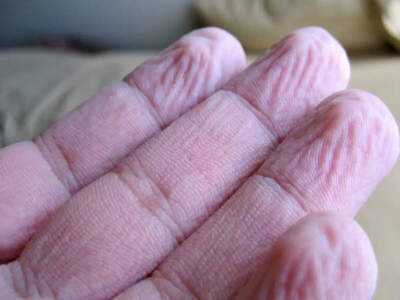
Have you ever noticed how your fingers and toes become wrinkled after spending time in water? This phenomenon, often referred to as finger pruning, raises questions about its causes. Is it merely a natural occurrence, or could it indicate a health issue?
Typically, this wrinkling is a normal response to prolonged water exposure, but there are instances where it may warrant further attention. Let's explore the reasons behind this common occurrence.
Wrinkling occurs primarily due to extended contact with water and frequent washing of hands. This effect can also be attributed to the constriction of blood vessels beneath the skin. However, there are various medical conditions that can contribute to this phenomenon. Let's delve into some of them.
Interestingly, diabetes can lead to wrinkled fingers as well. Elevated blood sugar levels in diabetic individuals can result in finger pruning. Additionally, diabetes may impair sweat gland function, leading to dry skin.
Signs of Diabetes:
Regardless of the season, health professionals recommend consuming 6 to 8 glasses of water daily. Insufficient hydration can diminish skin elasticity, resulting in wrinkled fingers. It's advisable to limit soft drinks, tea, and juices, as they may exacerbate dehydration.
Dehydration can lead to symptoms such as extreme fatigue, thirst, dizziness, headaches, and changes in urine color.
Another significant factor contributing to finger shrinkage is lymphedema, which involves swelling in the hands and feet due to lymphatic system blockages. This condition can arise during cancer treatments when lymph nodes fail to drain fluid properly, leading to swelling.
Signs of Lymphedema:
Nutrition plays a vital role in overall health, and a lack of vitamin B12 can also lead to finger wrinkling. To prevent this issue, it's essential to ensure adequate vitamin B12 intake.
Foods like meat, chicken, and fish are rich in vitamin B12. Vegetarians should consider incorporating dairy products into their diets. Symptoms of vitamin B12 deficiency include anemia, fatigue, shortness of breath, tingling in the extremities, and memory issues.