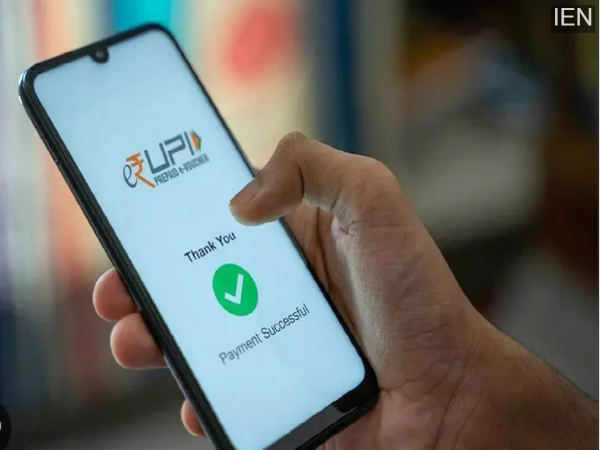
With the rapid growth of digital payments in India, UPI (Unified Payments Interface) has become one of the fastest and most convenient ways to transfer money. However, a simple mistake — such as entering the wrong UPI ID or mobile number — can result in money being sent to the wrong bank account. In such situations, the biggest concern for users is whether the wrongly transferred money can be recovered.
Experts say that while recovery is sometimes possible, it is not guaranteed. The chances of getting your money back depend on how quickly you act, the receiver’s cooperation, and the outcome of the bank and NPCI investigation.
Here’s a complete guide on what to do after a wrong UPI transfer, how recovery works, and when getting your money back may be difficult.
If you accidentally transfer money to the wrong account, time is critical. The faster you act, the better your chances of recovery.
Immediately reach out to your bank’s customer care or the UPI app support team (such as Google Pay, PhonePe, Paytm, or BHIM).
Provide key transaction details, including:
Transaction ID
Date and time of transfer
Amount sent
Receiver’s UPI ID or phone number
Once the complaint is registered, the bank will start an investigation and attempt to coordinate with the receiving bank to request a reversal.
UPI transactions are managed by the NPCI (National Payments Corporation of India). When a wrong transfer is reported:
The bank and NPCI jointly review the transaction
If a technical error is found, the refund process may begin
If the money reached a valid account, recovery depends on the receiver’s consent
In most cases, banks cannot forcefully debit money from the recipient’s account without legal authorization. This means that the receiver’s cooperation plays a crucial role in whether the funds are returned.
Unfortunately, there are several scenarios where getting your money back becomes difficult or impossible.
The receiver has already withdrawn or spent the money
The recipient refuses to return the funds
No technical fault is found in the transaction
The amount was sent to an unknown or fraudulent account
In such cases, banks may have limited authority, and the sender might need to seek legal help by filing a complaint with the police or consumer court.
If the recipient refuses to return the money, the affected person can:
File a police complaint
Raise a dispute through bank grievance channels
Approach the consumer forum if the bank fails to assist
In extreme cases, pursue legal action for financial recovery
However, legal processes can take time, and outcomes depend on evidence, transaction records, and applicable laws.
Prevention is always better than recovery. To avoid sending money to the wrong account, follow these smart safety tips:
Always verify the UPI ID, phone number, or QR code before confirming a transaction.
For large transfers, send ₹1 as a test payment before sending the full amount.
Take a moment to review details carefully before tapping “Pay.”
Use saved contacts or verified beneficiaries to reduce human errors.
If a mistake happens, contact your bank or UPI provider without delay.
No — banks and NPCI cannot guarantee refunds in all wrong-transfer cases. While they can facilitate communication with the recipient and investigate technical issues, final recovery often depends on the recipient’s willingness to return the funds.
This makes user caution and awareness extremely important when using UPI services.
With millions of daily UPI transactions, small input errors, such as:
Typing the wrong number
Selecting the wrong contact
Scanning an incorrect QR code
can easily lead to misdirected payments. As UPI adoption continues to grow, financial awareness and careful usage are essential to prevent losses.
A wrong UPI transfer can be stressful, and recovering the money is not always guaranteed. Acting quickly, reporting the issue to the bank and UPI app, and keeping transaction records increases your chances of success — but the final outcome often depends on the receiver’s consent and the investigation results.
The best protection remains double-checking transaction details before sending money. Staying alert and cautious can help you avoid costly mistakes in digital payments.