Kerala’s Political: continues to stand apart on India’s political map as the strongest remaining base of the communist movement, even as emerging trends point to a more competitive contest ahead. With the Left Democratic Front preparing for the next Assembly election scheduled for April–May, the ruling alliance is aiming for a third consecutive term, an outcome that would further extend a record it first set over the past decade. Yet, changing voter behaviour and recent electoral results suggest that the path forward may be far from predictable.
The Left Democratic Front, led by the Communist Party of India (Marxist), has already carved out a place in Kerala’s political history. It broke a long-standing pattern by retaining power in both the 2016 and 2021 Assembly elections, something no alliance had managed in the state since the late 1970s. In 2021, the LDF strengthened its position, winning 99 seats, an increase from its previous tally, and securing a decisive mandate from voters.
The Congress-led United Democratic Front remains the principal opposition. Although it secured only 41 seats in the 2021 Assembly polls, fewer than in 2016, it managed to register an improvement in vote share. This indicated that while seat conversions remained a challenge, the alliance had not lost its core support entirely. The Congress continues to dominate the UDF, but internal dynamics and leadership questions remain unresolved.
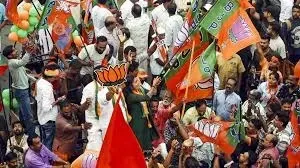
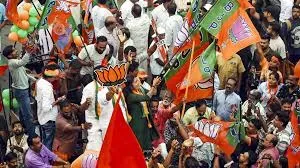
For the National Democratic Alliance, the 2021 Assembly election was a setback, as it lost its only seat and saw its vote share decline. However, developments since then have altered perceptions. The 2024 Lok Sabha elections marked a turning point when the BJP won its first-ever parliamentary seat from Kerala, signalling a slow but visible expansion of its footprint in the state.
The 2024 general election reshaped the political mood. The UDF swept 18 of Kerala’s 20 Lok Sabha seats, reaffirming Congress dominance at the national level within the state. The LDF, by contrast, managed to retain just one seat. The BJP’s breakthrough victory in Thrissur stood out, ending decades of parliamentary absence from Kerala and offering the party a symbolic boost.
Looking toward the 2026 Assembly polls, opinion surveys conducted around mid-2025 offered contrasting projections. Some indicated that the LDF could still return to power, albeit with a slimmer majority, while others placed the UDF slightly ahead. These divergent assessments underline the fluid nature of voter sentiment at this stage.
The local body elections held in December added another layer to the evolving picture. The UDF demonstrated renewed strength by making gains in rural areas traditionally aligned with the Left. At the same time, the BJP’s performance in key urban centres suggested that it could increasingly influence outcomes in a system long dominated by two alliances.
Urban politics has emerged as a critical factor, particularly after the BJP’s high-profile success in Thiruvananthapuram’s civic administration. The capital city has also seen close parliamentary contests in recent elections, with shrinking victory margins and noticeable shifts in vote share. These trends are likely to shape campaign strategies as parties focus more sharply on urban constituencies.
Despite encouraging signs for the UDF, the Congress is not without its challenges. Discussions around leadership and chief ministerial aspirants have created unease within the party. Developments in neighbouring Karnataka, where leadership rivalries continue within the Congress government, have added to concerns about managing unity and expectations in Kerala.
As Kerala moves closer to the 2026 Assembly election, no alliance appears assured of an easy victory. The Left remains resilient, the Congress-led front senses opportunity, and the BJP is positioning itself as a growing third force. Together, these factors point to a tightly contested political future in a state known for its engaged electorate and shifting alliances.