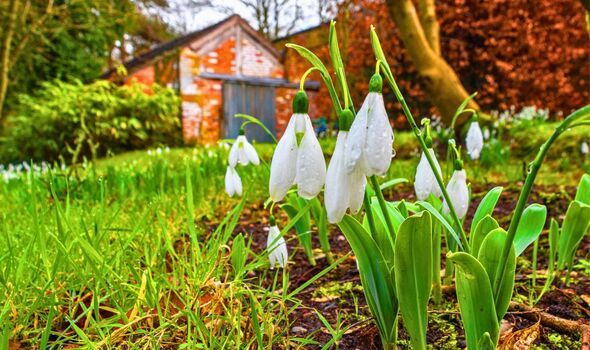
Winter is finally on its way out in February and you will start to see more greenery as the first signs of spring start showing up, but this also means a growing list of things to do for gardeners to get their gardens ready. Gardens are often a mess at this time of year, and it is easy to begin feeling overwhelmed, but Monty Don has shared February should be an optimistic time. In a blog post, Monty said: "February is the month when the garden really starts to come alive and grow even if the weather can be severe and the days are still short. In February something is definitely happening. There is a thrill in the air."
The weather is slowly starting to become drier, and it should also start to become lighter in the evenings, so can enjoy spending more time outdoors. February tends to be a time we focus on simple tasks such as on tidying up plants, sowing and feeding so you will have a lots of beautiful flowers and plants popping out of the ground once spring arrives.
Pruning
Certain flowers should be pruned in late winteras they are just about to come out of dormancy and cutting back dead wood or decaying foliage helps them reserve more energy.
It means these flowers will not focus on dead parts of the plant but focus on growing stronger shoots so they are more likely to be healthier and bigger in spring.
Roses should be a gardeners biggest priority at the moment but clematis and buddleias should also be pruned in February.
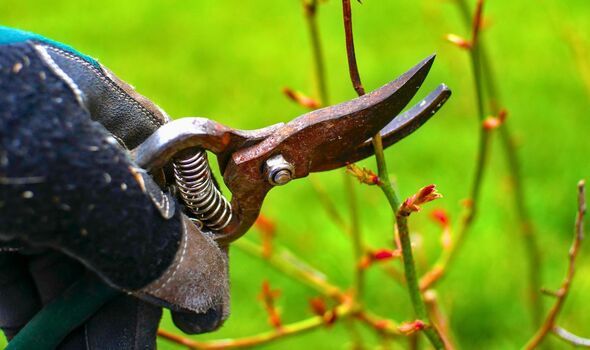
Pruning can be intimidating but it is actually quite simple as you just need to make sure you are are using sharp gardening tools and are making precise cuts.
Monty said:"Always cut back to something. Do not snip at random but make your cut just above a bud or a leaf or the joint of another stem."
Sowing
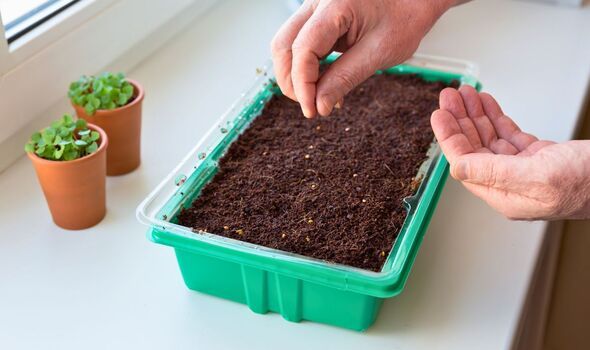
Tomatoes can begin to be sown indoors in a warm greenhouse or shed. Simply place the seeds in peat-free compost in a seed tray, cover them with a layer of more compost and give them a good watering.
There are also plenty of hardier vegetables that can also be sown now such as chillies, rocket, and broad beans if you want a variety of crops in your garden this year.
Potatoes can also be chitted now, which is when you let the seeds sprout in a seed tray before planting them so they are not exposed to too much light.
Monty said: "Potatoes grow from sprouts that emerge in spring from the tubers and we are all familiar with transparent sprouts emerging from potatoes stored in the dark at this time of year. But if seed potatoes are exposed to light now the new sprouts will be knobbly and dark green."
All you need to do is place potatoes in a seed tray, then place them somewhere bright, cool and frost-free. The weak shots will start to grow and left alone until it is warm enough to plant them in the garden.
Mulching
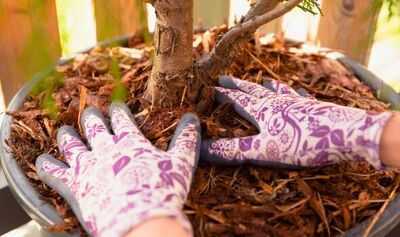
Mulching is the easy act of covering the area around plants in compost or another organic material, which will protect them for the rest winter.
Monty said: "This will do three important jobs simultaneously. The first is to suppress any annual weeds and weaken any perennial ones. The second is to reduce evaporation and therefore keep in moisture and the third is that it will be incorporated into the soil by worms and improve the structure and nutrition."
The organic material will eventually break up and start feeding the soil so you will end up with stronger plants without much effort.
All you need to do is spread a thin layer of mulch over the bare soil of a plant, make sure it is not touching any of the foliage, and it will greatly help plants prepare for spring.
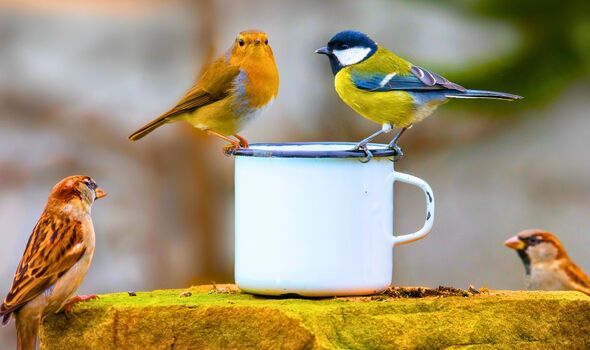
Feeding birds
Late winter is the toughest time for British birds, as there are very few berries left on trees and the ground is often still too frozen for them to forage for insects.
However, many birds will soon begin raising chicks as the weather starts to warm, making this an especially important time to put out food to help them survive.
Monty said: "Keep on feeding birds as they are now beginning to mate, nest and lay their first clutches of eggs. The better nourished the parent birds are, especially in cold weather, the larger and healthier the offspring will be."
It is best to offer birds high-energy foods such as sunflower seeds, suet balls and unsalted nuts.
Leaving out water or having a birdbath in your garden will also greatly help local birds and ensure they young chicks stay healthy.