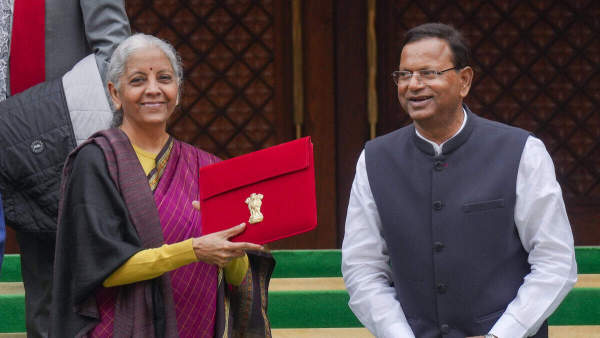
The first day of every month brings some changes that directly impact the common man's pocket. Today is going to be a very important day because the Union Budget is being presented today. Along with this, being the first day of the month, several major changes (New Rules February 1, 2026) will also come into effect.
Let's talk about these changes one by one. From Sunday, February 1st, several things are going to become more expensive. This will directly affect the common man's wallet.
What has become more expensive?
1. LPG Prices Increased
Before the budget, the gas agencies have updated the new rates. According to Indian Oil, the price of LPG cylinders has increased. However, this time only the price of commercial cylinders has changed. The price of LPG cylinders has increased before the budget. However, the price of domestic cylinders remains the same.
City | Previous Price | Current Price | Increase
Delhi | ₹1691.50 | ₹1740.5 | ₹49
Kolkata | ₹1795 | ₹1844.5 | ₹49.5
Mumbai | ₹1642.50 | ₹1692 | ₹49.5
Chennai | ₹1849.50 | ₹1899.5 | ₹50
Domestic Cylinder Price
City | Price
Delhi | ₹853
Kolkata | ₹879
Mumbai | ₹852.5
Chennai | ₹868.50
2. Cigarettes, Tobacco, Pan Masala Become More Expensive
From February 1, 2026, harmful products like cigarettes, tobacco, and pan masala have become more expensive. The government is going to increase the price of all these items on February 1, 2026. This tax is separate from the normal GST. The government is going to increase excise duty and cess from today.
This increase will make cigarettes, tobacco, and pan masala more expensive.
3. No Change in Repo Rate?
According to media reports, the Reserve Bank of India will not make any changes to the repo rate this time. However, this will only be confirmed at the Monetary Policy Committee meeting. Additionally, some sources are speculating that the repo rate might be reduced by 0.25 percent.
This meeting will be held in a few days. During this meeting, the RBI will take several financial decisions, including those related to the repo rate.
4. e-KYC for FASTag discontinued
From February 1st, users will no longer need e-KYC for FASTag. This was announced by the National Highways Authority of India. You will no longer need e-KYC to activate your FASTag.
Disclaimer: This content has been sourced and edited from Amar Ujala. While we have made modifications for clarity and presentation, the original content belongs to its respective authors and website. We do not claim ownership of the content.