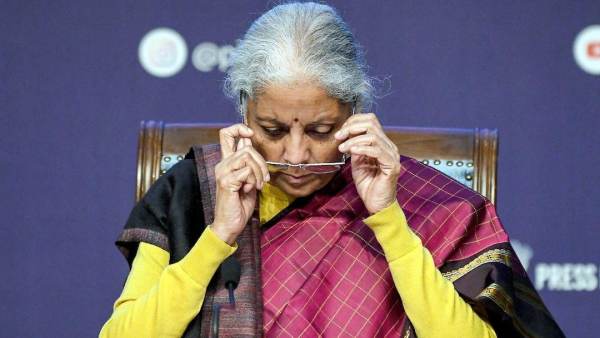
The Union Budget 2026–27, presented by Finance Minister Nirmala Sitharaman on February 1, has triggered widespread disappointment among sections of the public, particularly the middle class, farmers and voters in states heading into Assembly elections. Ahead of the Budget, expectations were high that the government would announce tax relief for salaried individuals, fresh measures for farmers, and special packages for poll-bound states. However, as Sitharaman concluded her speech, many of these anticipated announcements failed to materialise.
One of the biggest areas of disappointment was income tax relief. Following last year’s increase in the income tax exemption threshold to ₹12 lakh, taxpayers had hoped the limit would be raised further to ₹13–14 lakh. There was also expectation of tweaks in the new tax regime, including incentives for investments in PPF, NPS and ELSS. The Budget, however, made no changes to income tax slabs or exemptions. Farmers, too, were left dissatisfied as the Budget did not announce new schemes or enhancements to existing support mechanisms.
Expectations of an increase in allocations under the Pradhan Mantri Kisan Samman Nidhi scheme, expansion of crops under Minimum Support Price (MSP), or additional subsidies on fertilisers and seeds were not addressed. On employment, while the Budget spoke of job creation through data centres, skill development, internships and content creation in schools, it did not unveil a dedicated employment generation scheme aimed at tackling current unemployment. Senior citizens also saw little relief, as the Budget did not introduce new insurance schemes, concessional railway fares or changes in tax deducted at source (TDS) provisions for the elderly.
Voters in five states facing Assembly elections had hoped for special financial packages or targeted welfare measures. While infrastructure projects such as a freight corridor from Dankuni in West Bengal to Surat in Gujarat, a proposed Siliguri rail corridor, and a Rare Earth Corridor in Tamil Nadu were announced, critics said these did not match the scale of targeted benefits extended to some states in previous budgets. Overall, the Budget has drawn criticism for failing to address key expectations of large voter groups, despite outlining long-term economic priorities and infrastructure-led growth.