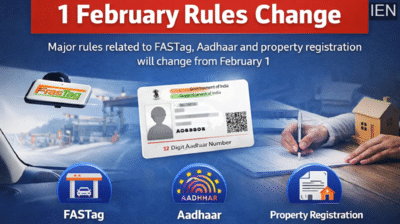

The beginning of February 2026 has brought a wave of regulatory changes that directly affect everyday life. From banking transactions and credit cards to highway toll payments and consumer goods, several new rules have come into force starting February 1. These changes, introduced just ahead of the Union Budget presentation, are expected to influence household expenses, travel convenience, and financial planning for millions of people.
While some of the updates aim to streamline systems and improve efficiency, others may slightly increase out-of-pocket costs. Here is a detailed breakdown of what has changed and how it could affect you.
Major Banking Rule Updates Come Into EffectThe banking sector has seen the most visible changes this month. Several leading banks have revised their service charges and benefits, especially related to digital payments and credit cards.
State Bank of India (SBI) has introduced new charges on IMPS transactions. Customers transferring amounts between ₹25,000 and ₹1 lakh will now pay a fee of ₹2 plus GST. Transfers ranging from ₹1 lakh to ₹2 lakh will attract a charge of ₹6, while transactions between ₹2 lakh and ₹5 lakh will cost ₹10 plus GST. These revisions are likely to impact users who frequently rely on IMPS for high-value transfers.
Private banks have also made notable changes. HDFC Bank has placed a monthly cap on reward point redemption for its premium Infinia credit card. Cardholders can now redeem reward points only five times per month, which may reduce flexibility for frequent users.
ICICI Bank has discontinued its complimentary movie ticket benefit on select credit cards, while Punjab National Bank (PNB) has issued a strict deadline for KYC updates. Customers who fail to complete KYC verification by February 2 may face restrictions on banking services.
According to banks, these measures are designed to improve compliance, strengthen digital security, and promote responsible usage of financial services.
FASTag Users Get Relief on HighwaysIn contrast to banking changes, FASTag users have received welcome relief. The National Highways Authority of India (NHAI) has eliminated the earlier KYC verification burden placed on vehicle owners.
Under the revised process, banks issuing FASTags will now verify vehicle details directly, reducing the need for customers to undergo repeated checks. This change is expected to speed up toll payments, reduce congestion at toll plazas, and make highway travel smoother.
For frequent highway commuters, this update simplifies FASTag management and eliminates unnecessary delays during travel.
Higher Costs for Tobacco and Related ProductsFebruary has also brought price increases for tobacco products. Taxes on cigarettes and other tobacco items have been raised, making them more expensive for consumers. The move aligns with public health goals while also increasing government revenue.
In addition, certain fuel-related and commercial charges have been revised following budget-linked adjustments. While the exact impact may vary, higher fuel-related costs could indirectly influence transportation expenses and service pricing.
What These Changes Mean for ConsumersThe new rules have mixed implications for the average consumer:
Digital banking users may see higher transaction charges, especially for large transfers.
Credit card holders will need to plan reward point usage more carefully.
Vehicle owners will benefit from smoother FASTag operations.
Tobacco users will face increased expenses.
Commercial fuel price changes may affect logistics and service costs over time.
Financial experts suggest staying alert to revised charges, regularly reviewing bank notifications, and completing mandatory KYC requirements to avoid service disruptions.
Important Banking Dates to Remember in FebruaryBanks will remain closed on the second and fourth Saturdays of the month, which fall on February 14 and February 28, along with all Sundays. Customers are advised to plan branch visits accordingly and rely on digital banking services during holidays.
Final TakeawayThe rule changes effective from February 1 reflect a broader push toward better compliance, improved systems, and digital efficiency. While some updates may tighten monthly budgets in the short term, experts believe they will help strengthen financial and transport systems in the long run.
Keeping track of updated charges, understanding revised benefits, and adapting spending habits will help consumers manage these changes more effectively in the months ahead.