these days in india nipah virus Cases are coming to light, due to which people are scared. Also, various types of claims are being made regarding this disease, due to which different rumors regarding the disease are spreading among the people. In such a situation, now an update has come out from the World Health Organization (WHO).
WHO told how high is the risk of this disease spreading in India. Also, everything from prevention to symptoms of this disease has been explained.
The World Health Organization has clearly said that at present there are no signs of rapid spread of this virus from human to human. For this reason, there is no need to impose restrictions on entry and exit from any country. That means the condition is under control and health teams are continuously monitoring it.
The Health Ministry of the Central Government has made it clear that in the case of Nipah virus, only information received from government or certified sources should be trusted. It has been advised not to trust the rumors or wrong data spreading in the media and social platforms. The ministry also said that the health department and agencies are fully alert and are continuously monitoring the situation.
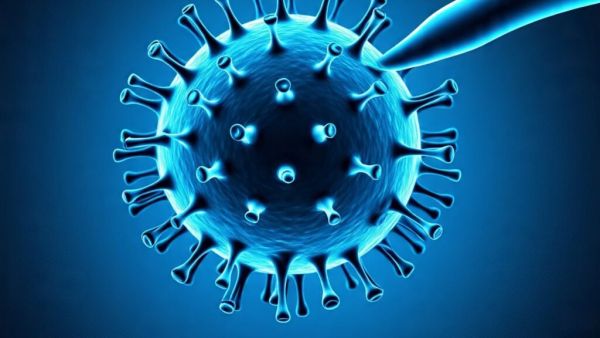
Nipah virus is a serious infectious disease, which is often spread by bats that eat fruits. This virus can come from animals to humans and in some conditions there is a possibility of it spreading from human to human also. This virus was first found in Malaysia in 1998. Cases of Nipah virus have been reported several times in India also.
Nipah virus spreads among people who come in contact with infected bats or consume fruits eaten by these animals. In some cases, other animals like pigs can also cause this disease. Therefore, special caution is necessary in those places where the number of bats is high and there is a risk of people coming in contact with them.
Symptoms of Nipah infection can start from normal fever and headache to severe brain swelling (encephalitis). Conditions like difficulty in breathing, confusion, and unconsciousness can also arise. This disease can prove fatal, so early identification and treatment is very important.
According to WHO, there is no need to panic at the moment, but it is important to be cautious. Awareness, cleanliness and correct information are the biggest means of protection from viruses like Nipah.