Cricket followers worldwide are counting down to the start of the ICC T20 World Cup 2026, now just days away.
Scheduled to get underway on February 7, the tournament promises a fast-paced start, with three matches lined up on the opening day itself.
As anticipation builds, one striking narrative has begun to dominate discussions around this edition of the World Cup, the strong presence of players of Indian origin across multiple international teams.
While India remain one of the tournament favourites, their influence extends well beyond their own squad. Close to 40 cricketers of Indian origin are set to feature in the competition, representing a variety of associate nations.
This trend highlights the global footprint of Indian cricket and the growing competitiveness of emerging teams on the world stage.
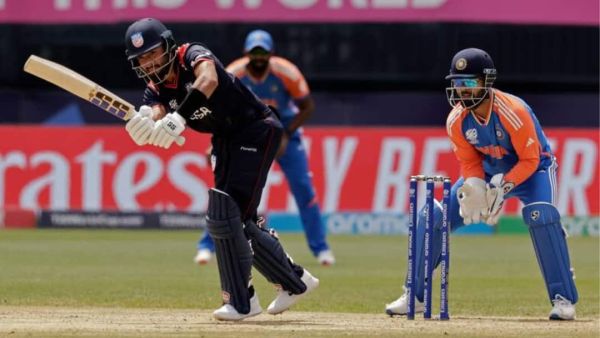
Among the most notable stories is that of USA fast bowler Saurabh Netravalkar. Born in Mumbai, Netravalkar will have the rare opportunity to play against India at the iconic Wankhede Stadium.
Although he could not represent the country of his birth, facing them on such a stage is expected to be a defining moment in his career.
Several teams in the tournament boast squads heavily influenced by Indian-origin players.
Canada’s T20 World Cup lineup reportedly includes 11 such cricketers, underlining their reliance on experience shaped in Indian cricketing systems.
The USA follow closely with nine players of Indian origin, while Oman and the UAE have seven each. Collectively, these teams account for a significant portion of the Indian diaspora representation in the tournament.
This influx of talent has strengthened the depth and competitiveness of associate nations, making the group stages far less predictable than in previous editions.
The ICC T20 World Cup 2026 will feature 20 teams, divided into four groups of five. Each team will face the others in their group, with the top sides progressing to the Super 8 stage.
From there, the tournament moves into the semi-finals before culminating in the final on March 8.
Notably, Bangladesh will not participate in this edition, having been replaced by Scotland. Meanwhile, Pakistan have confirmed they will boycott their league-stage match against India, scheduled for February 15, adding an extra layer of controversy to the tournament build-up.
As the countdown continues, the spotlight is firmly on how these Indian-origin players perform when the action begins.