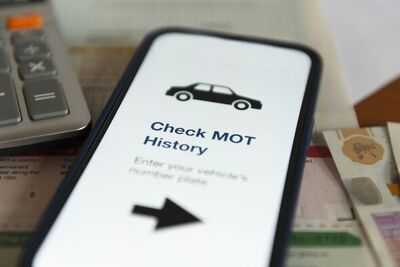
Before taking to the roads, motorists must ensure their vehicle is both roadworthy and legally compliant. However, many drivers remain unaware that even a seemingly minor detail could land them in trouble and even result in an MOT failure.
Motoring specialists at RAC Drive have reminded drivers that their registration plate could prove problematic if they are unfamiliar with the regulations. The experts emphasise that, throughout the UK, vehicle registration plates are required to meet stringent standards, set by the Driver and Vehicle Licensing Agency (DVLA).
Non-compliance with these requirements is considered an offence, and such plates may lead to financial penalties and MOT test failures. Police also have the authority to prohibit a vehicle from being driven until the plates are rectified. RAC explain: "Number plates must use a specific typeface known as the Charles Wright 2001 font. Any modifications to the font style, thickness, or size can render the plate illegal."
In addition to the font, the shape, background, spacing and position also need to adhere to these strict rules. So what can make a plate illegal?
12 UK car number plate rules you need to followAll cars must comply with DVLA-approved rules. This means the characters on a number plate need to be displayed in a certain way, with a specific height and size.
This means your car may need to adhere to the following:
These regulations apply to vehicles registered on or after September 1, 2001. While 3D and 4D number plates are permitted, they must still comply with all other legal requirements.
Driving with an obscured or unreadable number plate can result in a fine of up to £1,000, and the vehicle may fail its MOT if the plate cannot be clearly read. In more serious cases, or where the driver is a repeat offender, further penalties may also be imposed.
Other rules drivers need to know aboutLegally manufactured number plates must display a British Standard mark, confirming they meet required durability, visibility, and reflectivity standards and have been approved by the DVLA. Only authorised flags and identifiers may be shown on number plates. These include the Union Jack, the Cross of St George, the Scottish Saltire, and the Welsh Dragon; all other flags or emblems are prohibited.
Weather conditions can also affect compliance. If a number plate is obscured by dirt, mud, snow, or anything else that makes it difficult to read, it is considered unlawful.
RAC stress: "In cases where it appears that the plate has been deliberately obscured to avoid detection, then penalties may be more severe, potentially leading to prosecution by the police. To avoid fines and penalties, it's important to regularly clean your vehicle's number plates, especially after driving in adverse weather conditions like rain or snow, or if you've driven through mud or dirt. This is an essential part of winter car maintenance."