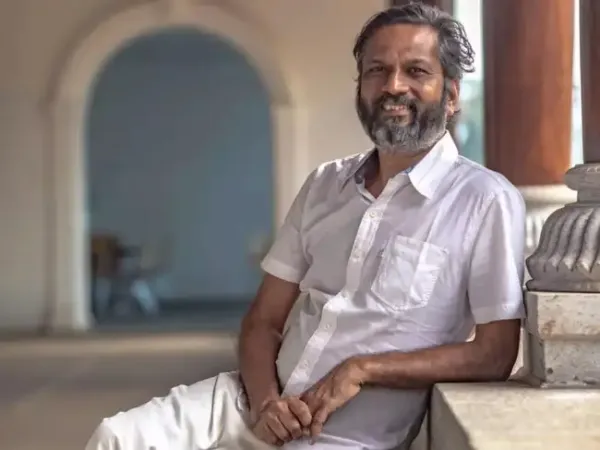
The long-running debate around why Indian-origin professionals frequently rise to leadership positions in global technology companies has resurfaced online, this time due to Zoho founder and CEO Sridhar Vembu. Responding to a claim that intense competition and a “perform or perish” culture in India create high achievers, Vembu rejected that idea and offered a sharply different explanation rooted in loyalty, culture, and social structure.
The discussion began after entrepreneur Jasveer Singh suggested that Indians succeed overseas largely because extreme academic pressure and population-driven competition at home force only the strongest performers to survive. According to Singh, once these individuals move to developed economies, they find conditions easier and rise quickly. Vembu disagreed with this framing and used his experience in both corporate leadership and education to counter the argument.
Over time, organisations naturally build continuity and trust around people who stay the longest. According to Vembu, leadership pipelines often emerge from this group, which helps explain why Indians increasingly occupy senior executive roles across major American technology firms. Rather than outcompeting peers through constant pressure, many Indian professionals simply remain long enough to gain deep institutional knowledge and credibility.
According to him, when this immigrant drive is combined with the strong organisational loyalty commonly seen among Indian employees, the outcome becomes more visible. The rise of Indian-origin leaders in global tech, he argued, is better explained by endurance and commitment rather than extreme early-life pressure.
Vembu added that this mindset often carries into professional life. Many Indian employees, he said, instinctively view workplaces as extensions of family networks. As a result, corporate messaging around being “one family,” which is often dismissed elsewhere as empty rhetoric, tends to resonate more deeply with Indian workers and strengthens long-term commitment.
This belief, he said, is also why he strongly opposes ideologies that promote social fragmentation in India. In his view, weakening traditional support systems risks long-term damage that economic growth alone cannot repair.
The discussion began after entrepreneur Jasveer Singh suggested that Indians succeed overseas largely because extreme academic pressure and population-driven competition at home force only the strongest performers to survive. According to Singh, once these individuals move to developed economies, they find conditions easier and rise quickly. Vembu disagreed with this framing and used his experience in both corporate leadership and education to counter the argument.
Loyalty, Not Pressure, as the Key Differentiator
In a detailed post on X (formerly Twitter), Sridhar Vembu argued that organisational loyalty plays a far bigger role than relentless pressure. He explained that Indian-origin employees tend to stay with the same companies for long periods, often spanning decades. When companies review employees hired in the same year, a noticeably larger share of Indian professionals remain even after 20 years, regardless of comparable education or intelligence levels.Over time, organisations naturally build continuity and trust around people who stay the longest. According to Vembu, leadership pipelines often emerge from this group, which helps explain why Indians increasingly occupy senior executive roles across major American technology firms. Rather than outcompeting peers through constant pressure, many Indian professionals simply remain long enough to gain deep institutional knowledge and credibility.
The Role of the 'Immigrant Drive'
Vembu also pointed to a broader historical pattern seen in the United States. He noted that every major wave of immigrants has tended to outperform established groups over time, a phenomenon often described as the “immigrant drive.” This motivation, he said, is not unique to Indians but applies to most immigrant communities striving to build stability and success in a new country.According to him, when this immigrant drive is combined with the strong organisational loyalty commonly seen among Indian employees, the outcome becomes more visible. The rise of Indian-origin leaders in global tech, he argued, is better explained by endurance and commitment rather than extreme early-life pressure.
Rethinking the Pressure Narrative in India
Addressing the claim that Indians grow up under constant survival stress, Vembu challenged the assumption directly. He explained that India’s extended family system acts as a powerful social and psychological safety net. This structure, he argued, provides emotional security rather than the fear-driven environment often described in discussions about competition.Vembu added that this mindset often carries into professional life. Many Indian employees, he said, instinctively view workplaces as extensions of family networks. As a result, corporate messaging around being “one family,” which is often dismissed elsewhere as empty rhetoric, tends to resonate more deeply with Indian workers and strengthens long-term commitment.
Lessons From the Ground: Poverty and Social Stability
Drawing from personal experience, Vembu referred to a school he runs for over 200 children from economically weaker backgrounds. He explained that while financial assistance can help address poverty, the deeper challenge lies in rebuilding social and psychological foundations once they weaken. According to him, economic hardship is easier to fix than the loss of community structures that provide emotional stability.This belief, he said, is also why he strongly opposes ideologies that promote social fragmentation in India. In his view, weakening traditional support systems risks long-term damage that economic growth alone cannot repair.