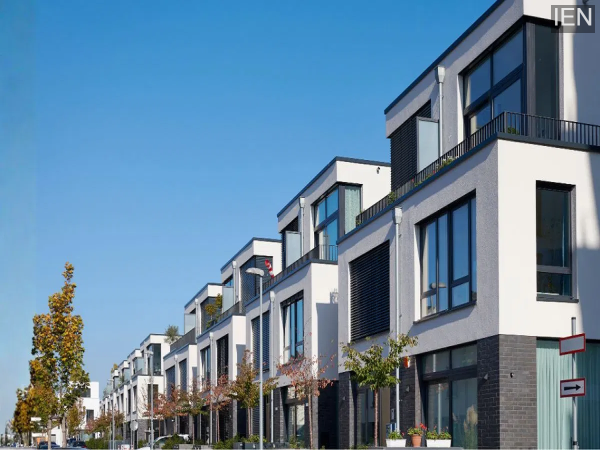
One of the most notable announcements in Budget 2026 is the sharp rise in allocations for PMAY Urban, indicating the government’s intention to support economically weaker sections, migrant workers, and first-time homebuyers living in cities. Rising property prices and limited access to affordable homes have long been a challenge in urban India, and this enhanced funding aims to bridge that gap.
The government’s decision to nearly double funding for PMAY Urban is expected to offer relief to low-income families struggling with high rents and inadequate living conditions. The scheme focuses on providing affordable housing through multiple verticals, including in-situ slum redevelopment, credit-linked subsidies, and affordable housing partnerships.
For urban migrants and daily wage earners, access to permanent housing with basic amenities like sanitation, electricity, and water supply can significantly improve quality of life. The increased budget allocation also signals better implementation of housing projects in slum areas, ensuring dignity and safety for residents.
Alongside urban housing, PMAY Gramin has also received a budgetary push in 2026. The enhanced allocation is expected to accelerate the construction of pucca houses in rural areas, where housing shortages still persist. The focus remains on providing structurally sound homes equipped with essential facilities such as toilets, electricity, and clean drinking water.
This move will not only uplift living standards in villages but also generate employment opportunities through construction activity, supporting rural economic growth.
Another important aspect of the affordable housing push is the continued support for home loan subsidies under PMAY. Credit-linked subsidy schemes help reduce the financial burden on buyers by lowering interest costs, making homeownership more achievable for middle- and lower-income groups.
Combined with policy-level support, tax benefits, and interest subsidies, the housing sector is likely to witness increased demand. This could also provide a much-needed boost to the real estate sector, which has faced challenges in recent years.
The budget also places strong emphasis on improving living conditions in slum areas. Redevelopment initiatives aim to provide safer housing, better sanitation, improved road connectivity, and access to public services. By integrating affordable housing projects with urban infrastructure development, the government seeks to create sustainable and inclusive cities.
While the budgetary intent is encouraging, experts believe that the success of affordable housing initiatives will depend on timely and transparent implementation. Past delays, land acquisition issues, and administrative bottlenecks have slowed progress in some regions.
If execution improves and funds are efficiently utilized, the enhanced PMAY allocation could transform the housing landscape and help millions achieve the dream of owning a home.
Budget 2026 reinforces the government’s long-term commitment to affordable housing. With increased funding, policy support, and a renewed focus on inclusivity, the dream of a secure and dignified home is closer than ever for both urban and rural households.