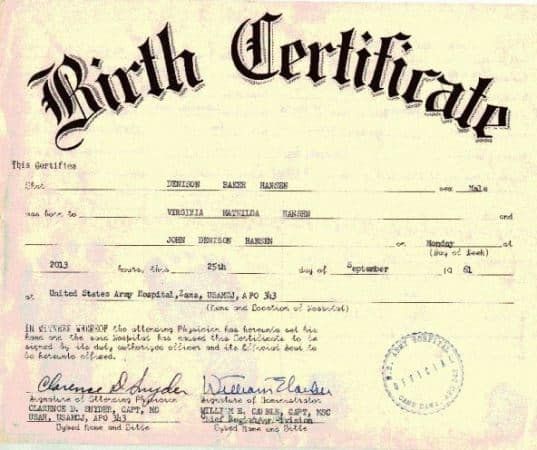
Applying for a birth certificate in India can now be done easily through official online portals, saving applicants multiple visits to municipal offices. A birth certificate is an essential legal document that records a person’s birth details -date, place, and parentage-and is required for a passport, school admission, voter ID and other services. While some states offer entirely online registration, others may require a hybrid process involving online submission followed by verification at a local office. Understanding the requirements, timelines and process can help applicants avoid delays and ensure the certificate is issued correctly.
To apply online, begin at the official Civil Registration System (CRS) portal or your state’s birth registration website. New users typically need to create an account with a mobile number or email address, while existing users can log in directly. The online form requires accurate details of the child’s birth, including name, date of birth, place of birth, parents’ names and contact information. Applicants must also upload scanned copies of supporting documents such as hospital birth proof, parents’ identity proofs and address proof.
After completing the form and uploading documents, applicants submit the application and may need to pay a nominal processing fee online. Once submitted, a reference number is generated, which can be used to track application status. Processing timelines vary by state, but birth certificates are usually issued within a few days to a couple of weeks after verification.
Not all states offer a fully online process. In some regions, after submitting the online application, applicants may be required to visit the local Registrar of Births and Deaths office for document verification or to provide original proofs. The basic requirement under the Registration of Births and Deaths Act is that the birth event should be reported to the registrar within 21 days of the birth.
If the birth is not registered within this period, applicants must follow a delayed registration process, which may involve affidavits, additional documentation and longer processing time. Different states also maintain their own portals for downloading and printing certificates once issued. For example, Tamil Nadu’s e-District portal allows registered users to download the certificate directly.
Because procedures can vary slightly across states, applicants are advised to check their state government’s birth registration portal or the CRS national site for exact steps, document lists, fees and processing timelines before applying.