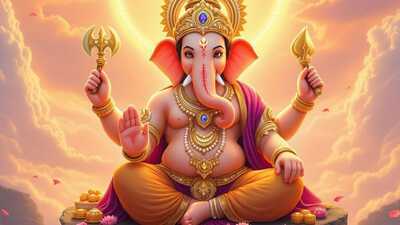
New Delhi: Sankashti Chaturthi is an important fasting day dedicated to Lord Ganesha, who is worshipped as the remover of obstacles and the giver of wisdom. This vrat is observed every month on Krishna Paksha Chaturthi, but it holds special importance for devotees seeking relief from problems, mental stress, and life’s delays. The fast is not only about food restrictions but also about discipline, patience, and devotion.
Correctly observing Sankashti Chaturthi is believed to bring positive changes in life. Here is a simple and clear guide to help devotees follow the vrat properly, along with important dos and don’ts.
How to Observe Sankashti Chaturthi FastThe day begins early in the morning. Devotees should wake up before sunrise, take a bath, and wear clean clothes.
After this, a Sankalpa is taken with a calm and focused mind. The Sankalpa is a personal prayer in which the devotee resolves to observe the fast with sincerity and faith.
The fast is observed from sunrise until moonrise. During this time, devotees should try to stay calm, avoid negative thoughts, and maintain a balanced approach to their behaviour. The day is best spent in prayer, reflection, and simple daily activities.
In the evening, after sunset, Lord Ganesha is worshipped. Flowers, incense, a lamp, fruits, and naivedya are offered during the puja. Devotees may also chant Ganesha mantras or listen to the Sankashti Vrat Katha.
After the moon rises, the Moon is worshipped, and Arghya is offered. Only after completing these rituals should the fast be broken. Sankashti vrat is considered complete only after moon darshan.
Dos of Sankashti Chaturthi VratAccording to tradition, Sankashti Chaturthi vrat works best when it is observed with faith, restraint, and emotional balance. The discipline of fasting helps devotees control their impulses and focus their minds.
FAQsQ1. How should the Sankashti Chaturthi fast be observed correctly?
Sankashti Chaturthi fast is observed from sunrise until moonrise. Devotees begin the day with a bath, take a sankalpa, avoid regular meals, perform Lord Ganesha puja in the evening, and break the fast only after Chandra Darshan and prayer.
Q2. What foods are allowed during Sankashti Chaturthi vrat?
Fruits, milk, sabudana, potatoes, peanuts, and other vrat-friendly foods are allowed. Grains like rice and wheat are avoided.
Q3. What should be avoided on Sankashti Chaturthi?
Grains, salt, alcohol, non-vegetarian food, anger, harsh speech, and breaking the fast before moonrise should be avoided.
Q4. Is it necessary to see the moon before breaking the fast?
Yes. According to tradition, the fast is completed only after moonrise and moon worship.