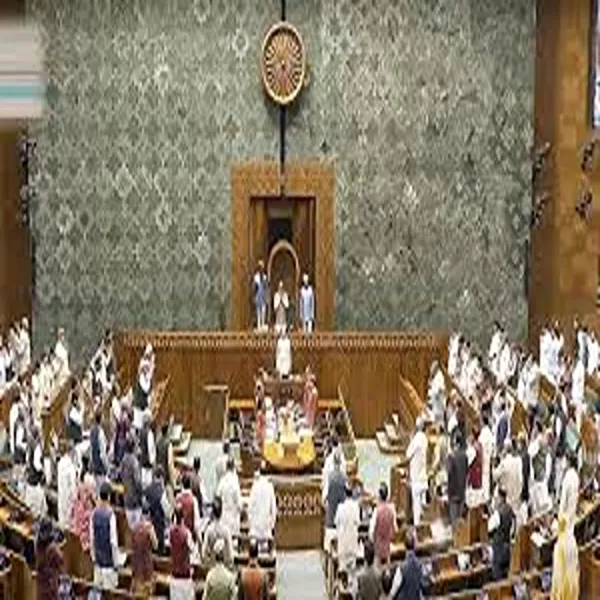
Parliament – The Lok Sabha witnessed another disruption on Thursday as members of the Opposition raised slogans, prompting a temporary suspension of proceedings. The unrest surfaced shortly after the session began, leading Speaker Om Birla to urge lawmakers to maintain order. When the protests continued without pause, the House was adjourned until noon. The repeated interruptions have added to the ongoing tensions in Parliament over several contentious political issues.
The recent disturbances in the Lower House are part of a broader political standoff that has persisted for several days. The friction stems from disagreements surrounding an unpublished memoir by former Army Chief General M.M. Naravane, as well as discussions related to the India-US trade arrangement. Opposition parties have been demanding a detailed debate on these matters, arguing that they hold significant national importance.
The government, however, has maintained that parliamentary procedures must be respected, while insisting that discussions should follow established rules. The lack of consensus between both sides has contributed to repeated delays in legislative business, affecting scheduled discussions and proceedings.
On Wednesday, disruptions intensified, resulting in the postponement of Prime Minister Narendra Modi’s scheduled address to Parliament. The speech, originally planned for the evening session, was delayed after the House failed to function smoothly due to continuous protests from Opposition members.
When the Lok Sabha reconvened later in the day to discuss the Motion of Thanks to the President’s Address, the atmosphere quickly turned chaotic. Opposition lawmakers voiced strong objections, reportedly after permission was denied to Leader of the Opposition Rahul Gandhi to present excerpts from an article referencing General Naravane’s unpublished memoir. The situation escalated as members began chanting slogans, creating a noisy environment that hindered formal proceedings.
During the turbulent session, Sandhya Ray, who was presiding over the House, repeatedly appealed to members to resume their seats and allow the debate to continue. Despite her efforts, Opposition lawmakers gathered in the Well of the House, waving pamphlets and continuing their demonstrations. Their actions made it impossible to conduct structured parliamentary discussions.
Such disruptions have drawn attention to the growing confrontations between the ruling government and Opposition parties. Parliamentary experts note that repeated adjournments not only delay legislative decision-making but also limit opportunities for structured policy debates.
Another major factor contributing to the impasse is the demand by Opposition leaders for a detailed discussion on the India-China border tensions, particularly the clashes reported in August 2020. Rahul Gandhi has been vocal on this issue, raising concerns about what he described as troubling revelations cited from General Naravane’s memoir.
According to references made by the Opposition, the memoir allegedly highlights concerns regarding delays in political decision-making during the military response to Chinese activities along the border. While the government has not officially responded to these specific claims, the issue has intensified the political confrontation inside Parliament.
The repeated disruptions over the past two days have significantly affected the Lok Sabha’s ability to carry out its legislative agenda. Important discussions, including debates related to governance, economic policies, and national security, have faced delays. Observers note that continued stalemates could hamper the timely passage of bills and policy measures.
Political analysts suggest that sustained dialogue between the government and Opposition may be necessary to restore normal functioning in Parliament. As both sides remain firm on their positions, the immediate resolution of the ongoing deadlock appears uncertain, raising concerns about the productivity of the current parliamentary session.