In the excerpts from the book We, the People of India: Decoding a Nation’s Symbols published in Scroll (“‘Every execution chips away at the nation’s moral fibre’: TM Krishna on the death penalty”, TM Krishna addressed the death penalty in his characteristic manner – with eloquence and emotion. But erudition does not always inform or provide insights into complex matters, such as the role of presidents in mercy plea petitions.
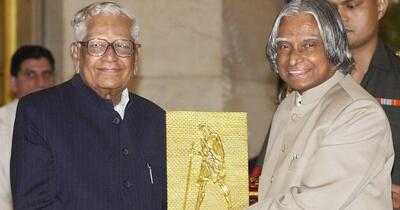
He characterises presidential decisions on capital punishment as “inclinations”, starting from my father, President R Venkataraman’s decision in the case of Indira Gandhi’s assassin Kehar Singh, to subsequent presidents – KR Narayanan, Abdul Kalam, Pratibha Patil, Pranab Mukherjee and Ramnath Kovind.
Contrary to Krishna’s assertion, Venkataraman, who was widely known as a “copybook President”, strongly believed that a Head of State should not be guided by mere inclinations but must strictly adhere to the rule of law. Lest one concludes that he was propagating a formulaic approach, Venkataraman in his memoirs, My Presidential Years, writes in depth about his thoughts while tackling the difficult case of Kehar’s Singh mercy plea:
“First, should not the President have the discretion to examine any extenuating circumstance and alter the death sentence without the advice of the Government? Absence of such a power unnecessarily brings blame to...
Read more