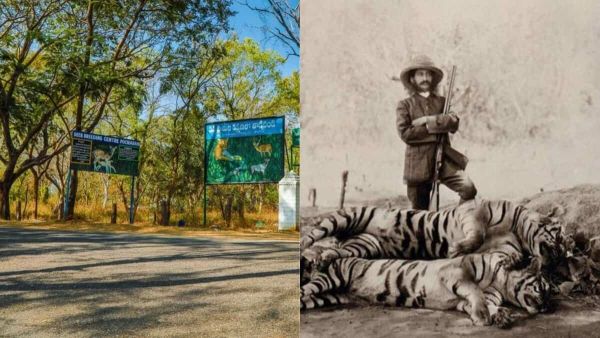
In the golden age of the Asaf Jahi dynasty, the weekends of the Hyderabadi royals weren’t spent in city palaces, but in the dense teak forests of the Deccan.
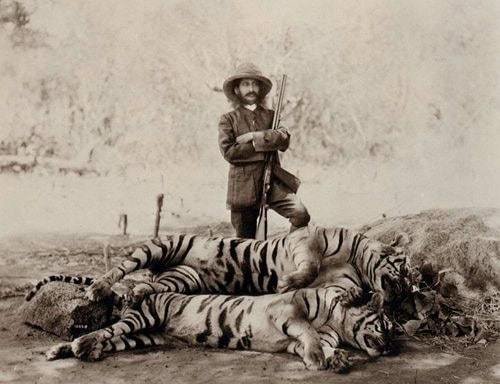
While the world knew the 6th Nizam Mahboob Ali Khan, for his wardrobe and the Jacob Diamond, the local villagers knew him by a different name: Tees Maar Khan. This legendary title was earned after the Nizam successfully hunted 33 man-eating tigers in the rugged Shikargarhs (hunting preserves) that once surrounded the city.
Today, one such retreat, called Pocharam Wildlife Sanctuary, serves as a living time capsule of this royal era. From the skeletal ruins of an abandoned 1918 hunting lodge to a forest that still breathes with the presence of leopards and sloth bears, Pocharam is more than a getaway; it is a walk through the private history of the Nizams.

Pocharam was reported to be a favourite hunting ground of Mahboob Ali Khan. For him, it was less of a forest and more of a sanctuary where he could practice his skills as a marksman.
Notably, the Nizam’s expeditions in Pocharam were often seen by locals as a service. He was frequently called upon to deal with tigers that terrorised nearby villages, solidifying his reputation as a protector.
The most striking reminder of this era is the Inspection Bungalow, built in 1918. Standing on the edge of the reservoir, this stone-and-mortar structure served as the royal “Shikar camp.” The bungalow was strategically positioned to give the Nizam a panoramic view of the nine islands within the lake, allowing him to observe wildlife movement from his balcony. Built using traditional granite blocks, the lodge was designed to stay cool during the harsh Deccan summers.
The centre of this royal retreat is the Pocharam Lake, a massive water body that was created from an engineering project. Commissioned by the Nizam’s government, construction on the dam began in 1916 and was completed by 1922. It was a high-stakes investment for the era, costing the royal treasury approximately Rs. 27.11 lakh. This ensured that the Nizam’s Shikargarh remained a lush, permanent habitat.
Located around 3 hours from Hyderabad, Pocharam has shed its identity as a restricted royal hunting ground and opened its gates to nature enthusiasts. If you are planning a visit, here is how you can make the most of this historical wilderness:
Explore the Nizam’s Bungalow: No trip is complete without visiting the ruins of the 1918 Inspection Bungalow. It is a premier spot for heritage photography. The stone arches and the view of the lake offer a glimpse into the regal lifestyle of the past.
The “Walk on Water” Experience: At the Pocharam Dam, you can experience the famous overflow bridge. During the monsoon and post-monsoon months, the water skims over the low-lying masonry. It is a unique sensation to walk across while the river gently flows over your feet.
Wildlife Spotting and Safaris: The sanctuary is a haven for those looking to see the wild inhabitants of the Deccan. You can drive through the forest tracks to spot Sloth Bears, Leopards, Forest Cats, and Wild Boars. The dense teak forest provides a rugged, authentic jungle experience.
Birdwatching at the Reservoir: The lake is a major attraction for ornithologists. During the winter, you can sight a variety of migratory birds. Keep an eye out for Painted Storks, Bar-headed Geese, and Herons nesting near the nine islands.