With Easter coming up, many Brits are likely to travel abroad to soak up some much-needed sunshine. However, it's crucial to be aware of the rules when returning to UK shores, as one simple mistake could result in a substantial fine.
What may come as a surprise is that this concerns the items you're allowed to bring back in your suitcase. Whilst you can freely transport food items like bread, biscuits and chocolate in unlimited quantities, certain products are either banned or must be declared to customs officials.
Official Government guidance has said: "There are restrictions on bringing meat, dairy, fish and animal products and fruit, vegetables, nuts and seeds into Great Britain from abroad. If you're bringing in any food or animal products protected by the Convention on International Trade in Endangered Species of Wild Fauna and Flora (CITES), you may need to apply for a CITES permit."
Generally speaking, the rules governing the importation of meat, dairy, fish, and other animal-based products into Britain are primarily determined by their origin. At present, there are tight restrictions on the import of certain meat and dairy products from any EU country into Great Britain for personal use.
This ban is designed to prevent further spread of animal-related diseases following recent outbreaks across Europe. It specifically applies to the following food items:
Travellers are still allowed to bring fish, poultry, eggs, or honey for personal use from the EU, Switzerland, Norway, Iceland, Liechtenstein, the Faroe Islands, and Greenland.
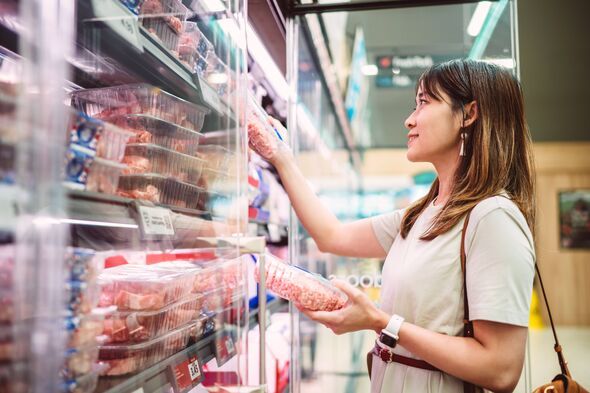
Food restrictions for nations beyond the EU are somewhat more stringent. Existing regulations stipulate that travellers cannot bring back any meat or meat products, or milk or dairy products.
Exemptions do exist, particularly for powdered baby formula, infant provisions or items required for health purposes. Additional Government guidance has clarified that visitors may bring in 'up to 2kg per person' of:
Travellers may bring up to '20kg per person in total of fish' too, including:
It's essential to note that the Government also imposes restrictions on plant products. Travellers are allowed to bring fruit, vegetables, nuts, and seeds into the UK from the EU, Switzerland, or Liechtenstein.
Nonetheless, rules vary considerably for countries beyond the EU. The Government's advice continued: "You cannot bring in most fruit or vegetables unless you have a 'phytosanitary' (plant health) certificate for them. You can get a certificate from the plant health authorities in the country you're leaving."
Anyone travelling to the UK from non-EU countries can only bring back these items without a certificate.
"If you declare banned food products to Border Force officers at customs, they'll take them away and destroy them," the Government has added, according to the Express."If you do not declare banned food products, you could be fined up to £5,000 (in England) or you could be prosecuted.
"Border Force can take away ('seize') your products if they think: you've brought something into the country illegally, you've brought in too much of a restricted product, it's been cross-contaminated, for example with blood from meat - if any clothing or a bag the item's in is contaminated, it'll be destroyed.
"If you're not sure about any of the products you're bringing in, speak to a Border Force officer in the 'red channel' at customs or on the red point phone."
For additional details, head to the Government's website here.
What other items face no restrictions?You're permitted to transport the following goods into Great Britain from any nation without limitations: