Many people focus on ovulation and fertilisation when considering pregnancy, but implantation is equally important. Even a fertilised egg cannot grow unless the uterine lining is ready to receive it.
This lining plays a significant role in creating a safe and nourishing environment in which an embryo can attach and grow. No matter how healthy the egg or sperm may be, without a healthy and well-prepared uterine lining, pregnancy cannot progress. Every month, your body works quietly to rebuild and prepare this lining, even before pregnancy begins.
Let’s discuss how the uterine lining supports fertility planning.
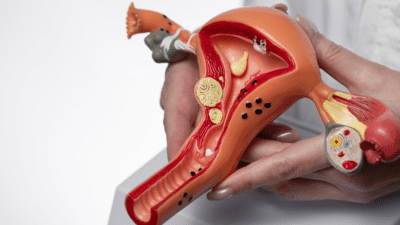
What Is the Uterine Lining and Why Is It ImportantThe uterine lining, medically called the endometrium, is the soft inner layer of the uterus that responds to hormonal changes throughout the menstrual cycle. After menstruation ends, rising oestrogen levels signal the endometrium to grow and thicken. After ovulation, under the effect of progesterone hormone, the endometrium finally becomes receptive for the embryo to implant in it. This growth prepares the uterus for a possible pregnancy by creating a supportive surface for a fertilised egg. The lining contains blood vessels and specialised cells that enable implantation.
The uterine lining plays a vital role in early pregnancy by providing the environment necessary for an embryo to survive and develop. Once an embryo attaches to the lining, the endometrium supplies oxygen, nutrients, and hormonal support during the early stages before the placenta fully forms. If pregnancy does not occur, hormone levels drop, and the body sheds the lining during menstruation. The cycle allows the uterus to renew itself and prepare again for the next opportunity to support pregnancy.
Confused by pregnancy or fertility advice online? Get clarity from experts at the Times Future of Maternity 2026
.
What are the Signs That May Indicate a Healthy Uterine LiningYou cannot directly feel or see the uterine lining, but specific physiological patterns and menstrual cycle signs may indicate that it is developing normally and supporting implantation. Here are the signs:
- Regular menstrual cycles with predictable timing
- Menstrual flow that is neither extremely light nor excessively heavy
- Clear ovulation signs, such as fertile cervical mucus
- Consistent ovulation each cycle
- Minimal spotting between periods
- Stable hormone levels are confirmed through medical tests when needed
How Does the Uterine Lining Prepare for ImplantationThe uterine lining prepares for implantation through a step-by-step process guided by hormonal signals and physical changes. Each step plays a vital role in creating a supportive environment where a fertilised egg can attach and begin to grow.
Step 1: Shedding the Old LiningAt the start of the menstrual cycle, the body sheds the uterine lining from the previous cycle during menstruation. This process removes excess tissue, allowing the uterus to start fresh.
Step 2: Rebuilding and Thickening the LiningAfter menstruation ends, rising oestrogen levels signal the uterus to rebuild the lining. Cells multiply, and new tissue forms along the uterine wall. Blood vessels grow to improve circulation, and the lining becomes thicker and stronger.
Step 3: Stabilisation After OvulationOnce ovulation occurs, progesterone becomes the dominant hormone. Progesterone stabilises the uterine lining and stops excessive growth. It changes the lining’s structure, making it soft, spongy, and receptive to implantation. It promotes chemical changes in favour of implantation.
Step 4: Creating a Receptive Implantation WindowProgesterone also opens a short implantation window, usually several days after ovulation. During this time, the uterine lining reaches its ideal thickness and texture. The lining releases supportive substances that help the fertilised egg attach securely and begin early development.
Step 5: Maintaining Support or Resetting the CycleIf implantation occurs, hormone levels remain high to support early pregnancy. If implantation does not occur, progesterone levels fall, signalling the uterus to shed the lining in that cycle.
How to Improve Uterine Lining HealthA healthy uterine lining depends on good blood flow, balanced hormones, and supportive lifestyle habits. Here’s how to build a stronger, more receptive lining each cycle.
Eat a balanced diet that includes healthy fats, protein, iron, and antioxidants. These nutrients support oestrogen and progesterone levels, which guide uterine lining growth. Foods such as leafy greens, nuts, seeds, whole grains, and fruits help improve tissue health and circulation.
Tip: Regularly include iron- and omega-3-rich foods to support lining thickness and blood flow.
Good blood flow facilitates the delivery of oxygen and nutrients to the uterine lining. Gentle physical activity encourages circulation and supports tissue growth. Activities such as walking, stretching, or yoga improve pelvic blood flow without stressing the body.
Tip: Aim for at least 30 minutes of light to moderate movement most days of the week.
Quality sleep supports hormone regulation and tissue repair. Irregular sleep patterns can disrupt reproductive hormone levels and affect the health of the uterine lining. A consistent routine helps the body maintain hormonal balance and a regular cycle.
Tip: Aim for 7–8 hours of sleep each night and maintain regular sleep and wake times.
Note: Consult a qualified gynaecologist or fertility specialist before making changes to your diet, exercise routine, or lifestyle.
The uterine lining plays a silent but essential role in early pregnancy. Each month, hormones regulate its growth, thickening, and receptivity to implantation. Focusing on balanced nutrition, healthy circulation, stress management, and quality sleep may help you create a more supportive environment for reproductive health.
You’re not alone in your journey when trying to conceive. Join our supportive community
to connect with others, share experiences, and find encouragement every step of the way.
FAQs on How the Uterine Lining Prepares for Implantation
Can implantation happen if the uterine lining is thin?
A thin lining may reduce the likelihood of implantation, but outcomes depend on overall hormonal balance and health.
Is uterine lining preparation the same every cycle?
No. Hormones, health conditions, and lifestyle factors can cause cycle-to-cycle variation.