Festival – Prime Minister Narendra Modi on Tuesday underscored the transformation underway in Chhattisgarh’s Bastar region, describing it as a place now defined by growth and rising self-belief rather than the unrest that once shaped its identity.
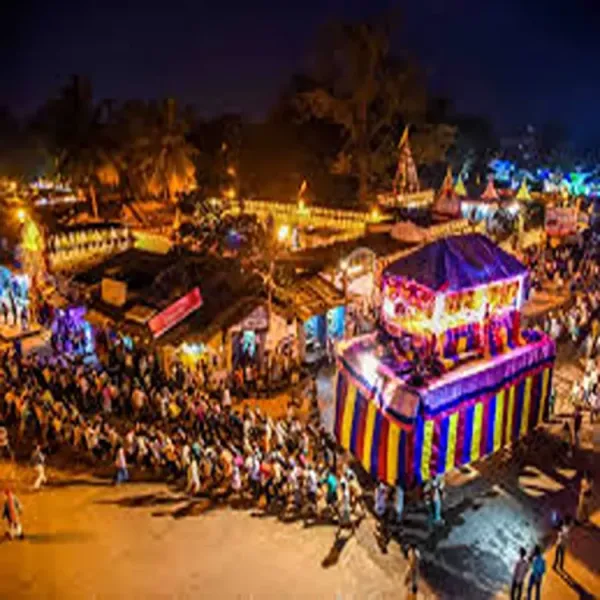
Speaking about the recently concluded Bastar Pandum festival, the Prime Minister noted that the event served as a powerful reminder of the region’s deep-rooted traditions and vibrant tribal heritage.
In a message shared on social media platform X, Mr. Modi referred to the three-day Bastar Pandum festival held from February 7 to 9. He said the celebration brought forward the cultural wealth of Bastar in an impressive manner, highlighting indigenous customs, art forms, and long-standing traditions.
He congratulated the organisers and participants, stating that such initiatives play an important role in safeguarding cultural heritage while strengthening local communities. According to him, public festivals rooted in tradition not only preserve history but also foster confidence among people who have long protected these customs.
Reflecting on Bastar’s past, the Prime Minister said the region was once frequently associated with Maoist violence and limited development. For years, the mention of Bastar often evoked concerns related to left-wing extremism and economic challenges.
However, he said the narrative has changed considerably. Today, Bastar is increasingly recognised for development initiatives and the emerging confidence of its residents. He expressed optimism that the region’s future would be guided by peace, steady progress, and pride in its cultural identity.
The Bastar Pandum festival was formally inaugurated earlier by President Droupadi Murmu in Jagdalpur, the divisional headquarters of Bastar in Chhattisgarh.
Addressing the gathering, the President observed that life in Bastar reflects celebration in its purest sense, deeply influenced by long-standing traditions and community values. She said the festival offers not only the country but also the international community an opportunity to witness the diversity and richness of tribal culture in the region.
President Murmu also acknowledged the hardships faced by local communities over the past four decades due to Maoist activities. She noted that tribal populations, young people, and Dalit communities bore the brunt of prolonged instability. According to her, sustained action by the Central government has helped reduce fear and insecurity, gradually restoring trust and stability in the area.
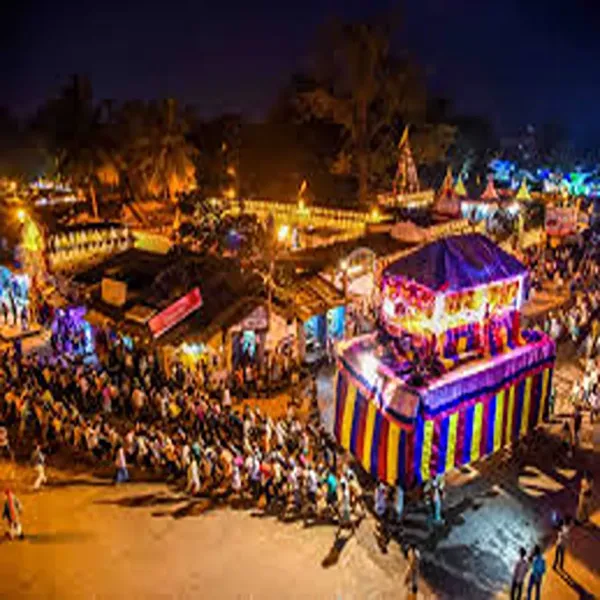
The festival has evolved into a major platform showcasing the artistic depth of Bastar’s tribal communities. This year’s edition features divisional-level competitions continuing until February 9, drawing widespread participation.
More than 700 artists representing 84 teams are taking part in twelve distinct cultural disciplines. Performances include traditional tribal dances, exhibitions of handicrafts, displays of indigenous musical instruments, and presentations of regional cuisine. Visitors are offered an immersive experience of Bastar’s cultural landscape, reflecting both heritage and innovation.
The event has drawn attention not only for its artistic value but also for symbolising the region’s ongoing transformation. By placing local traditions at the forefront, the festival reinforces the identity of communities that have safeguarded their customs across generations.
The inauguration ceremony in Jagdalpur was attended by several prominent leaders, including Chhattisgarh Governor Ramen Deka, Chief Minister Vishnu Deo Sai, and Union Minister of State Tokhan Sahu. Their presence underscored the significance of the festival as both a cultural and developmental milestone for the region.
As Bastar Pandum continues to gain recognition, it stands as a reflection of changing times in the region. While acknowledging past challenges, leaders have emphasised a future built on stability, economic progress, and cultural pride. The celebration serves not only as a festival of art and tradition but also as a marker of Bastar’s evolving identity within India’s broader development narrative.