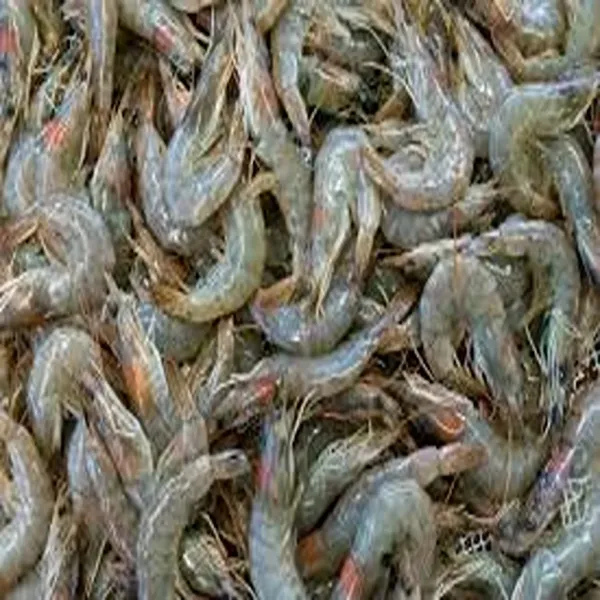
Trade – A Republican member of Congress from Louisiana has voiced serious concerns about how the recently announced United States–India trade framework could affect America’s shrimp industry, particularly fishermen along the Gulf Coast. The lawmaker cautioned that easing tariffs on Indian seafood imports may create fresh challenges for domestic producers who rely on wild-caught shrimp.
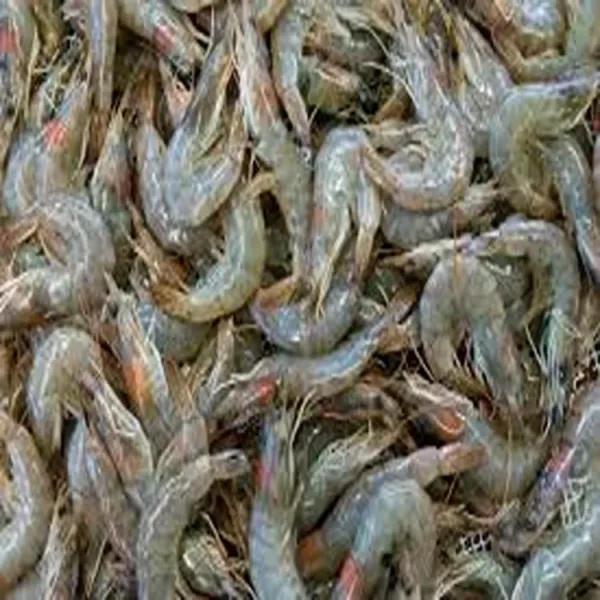
In a letter dated February 3 and addressed to President Donald Trump, Congressman Clay Higgins expressed support for efforts aimed at reshaping trade relationships. However, he stressed that the interests of American shrimpers must not be overlooked as new agreements take shape.
In his correspondence, Higgins acknowledged the administration’s push to secure improved trade terms for the United States. At the same time, he warned that reducing duties on Indian goods could lead to a renewed surge of imported shrimp, particularly farm-raised products.
According to the congressman, India has consistently ranked among the largest suppliers of shrimp to the American market. He noted that earlier tariff measures had provided temporary relief to domestic fishermen, giving them space to stabilize operations amid strong competition from overseas suppliers.
Higgins argued that removing or lowering those trade barriers now could reverse that progress. He said the move might once again expose Gulf Coast shrimpers to lower-priced imports, placing pressure on local businesses already operating in a competitive environment.
The Louisiana representative also drew a distinction between domestic shrimp production and foreign imports. He highlighted that wild-caught Gulf shrimp are harvested under strict environmental protections and labor standards in the United States.
By contrast, he suggested that some imported seafood may come from production systems with less stringent oversight. He raised concerns about differences in environmental regulations and public health safeguards, emphasizing the importance of maintaining high standards for products entering the American food supply.
Higgins maintained that American fishermen operate under rigorous rules that increase costs but ensure quality and safety. He indicated that any trade policy changes should take those factors into account to avoid disadvantaging domestic producers.
Rather than opposing the broader trade framework outright, the congressman urged the administration to consider protective steps within the agreement. In his letter, he pointed to several existing legal tools that could be used to monitor and manage seafood imports.
These measures include enhanced inspections under federal law governing imported goods, stricter enforcement of antidumping and countervailing duties, and targeted safeguards designed to prevent a sudden influx of underpriced shrimp. Higgins also referenced pending legislation that would allow authorities to destroy imported products that fail to meet U.S. health standards.
He appealed directly to the president, stating that American fishermen are seeking fair competition rather than special treatment. Higgins emphasized that coastal communities in Louisiana depend heavily on the shrimping industry for jobs and economic stability.
The debate over shrimp imports comes as Washington and New Delhi work to expand economic cooperation under a new trade framework. The agreement is intended to reduce tariffs and open markets across multiple sectors, strengthening commercial ties between the two countries.
Seafood has long been a sensitive topic in trade discussions, particularly in states with large fishing industries. For many Gulf Coast communities, shrimping represents not only a source of income but also a cultural tradition passed down through generations.
India remains one of the world’s leading exporters of shrimp to the United States, making it a key player in the global seafood market. As negotiations progress, policymakers will likely continue weighing the benefits of expanded trade against the potential impact on domestic industries.
The outcome of these discussions could shape the future of the U.S. shrimp sector and determine how American fishermen compete in an increasingly interconnected global economy.