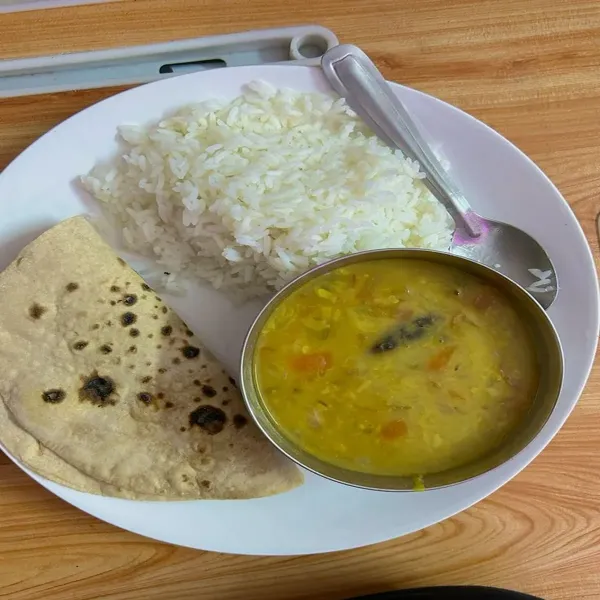
WeightLoss – For millions of families across India, a plate of dal served with rice or roti remains a daily staple. It is comforting, economical and deeply rooted in tradition. Yet for people trying to reduce weight, this everyday meal often becomes a point of confusion. Many wonder whether replacing rice with roti is necessary to see better results on the weighing scale. Nutrition specialists say the debate deserves a closer look.
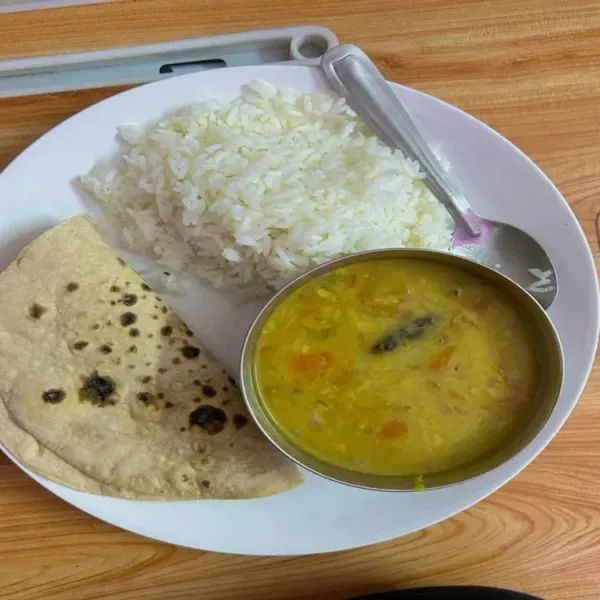
Health professionals emphasise that the most valuable component of both meals is not rice or roti, but dal. According to Anuja Gaur, Consultant in Weight Management and Diet Therapy at Aakash Healthcare, dal provides a strong dose of protein, fibre and essential micronutrients. Protein helps prolong satiety, supports muscle maintenance and reduces the urge to snack between meals.
When dal is consumed in sufficient quantity, it plays a meaningful role in calorie control. However, in many households, it is often served in small portions while cereals dominate the plate. Experts suggest reversing that ratio for those aiming at weight loss.
Rice frequently carries a negative image in weight loss conversations. Clinical Dietitian Ridhima Khamesra explains that rice digests relatively quickly, which may cause a faster rise in blood sugar if consumed in large amounts. This response is a physiological process rather than a flaw in the grain itself.
In practical terms, dal chawal can remain part of a balanced weight management plan when portion sizes are monitored. A modest serving of rice, paired with a generous bowl of dal and a side of vegetables, offers a balanced combination of carbohydrates, protein and fibre. Individuals who maintain an active routine, walk regularly or eat dinner early may tolerate rice well without adverse effects on their goals.
Problems generally arise when rice portions are excessive and protein intake is limited.
Whole wheat roti typically contains more fibre than polished white rice. Fibre slows digestion and can help keep hunger at bay for longer periods. For people with largely sedentary schedules, such as office-based workers, dal roti may help reduce mid-meal cravings.
That said, roti should not be viewed as automatically lighter. Consuming several rotis at a time, choosing parathas cooked in oil, or adding butter and ghee can significantly increase calorie intake. As experts point out, the benefit lies in moderation, not in the ingredient alone.
Both specialists agree that quantity matters more than the rice-versus-roti debate. For those who prefer rice, limiting intake to one small bowl and increasing dal and vegetables can create a satisfying and nutrient-rich plate. Those who prefer roti are advised to stick to one or two pieces and avoid fried variations.
Adding salads or cooked green vegetables increases volume and fibre without substantially increasing calories. Regular physical activity further improves the body’s ability to manage carbohydrate intake efficiently.
Simple substitutions can enhance nutritional value. Brown rice, hand-pounded rice or millets provide more fibre than refined white rice. Similarly, multigrain or millet-based rotis offer better nutrient density than refined flour options. These choices may promote steadier digestion and longer-lasting fullness, supporting consistency in eating habits.
Ultimately, neither dal chawal nor dal roti is inherently harmful in a weight loss journey. The outcome depends on total calorie intake, cooking methods, portion size and daily activity levels. For some individuals, dal roti in controlled portions may feel easier to manage. For others, dal chawal remains equally compatible with their goals when consumed thoughtfully.
Experts stress that long-term success depends less on eliminating staple foods and more on maintaining balance. Sustainable eating patterns, regular movement and mindful portions remain the most reliable tools for managing body weight.