More people than ever before are openly discussing cosmetic surgery, which was once thought to be uncommon or private. Some procedures go beyond minor bodily modifications, although many concentrate on more significant changes. The desire to stand out, cosmetic trends, or personal expression are frequently the driving forces for these unconventional operations. But not every cosmetic procedure is safe or reversible. Some have long-term effects and significant health dangers that are frequently disregarded. This article examines five plastic surgery procedures that surprise medical professionals and the general population. The extent to which people will go for appearance is demonstrated by each example.
1. Elf Ear Surgery
Elf ear surgery permanently reshapes the ears to create a pointed, fantasy-like appearance.
A cosmetic operation known as "elf ear surgery" involves reshaping the ears to resemble pointed ears, akin to those of fantasy figures from folklore, anime, or films. The ear cartilage is sliced, reshaped, and then stitched into a sharp tip throughout the procedure. Individuals who opt for this surgery frequently have a connection to alternative fashion, cosplay, or fantasy culture, or they desire a distinctive identity. Most of the time, the surgery is permanent. It can be quite challenging to return the ear to its normal shape once the cartilage has been changed. For this reason, surgeons typically advise patients to consider their options thoroughly before proceeding. Infection, scarring, irregular ear shape, and nerve sensitivity are among the risks. Additionally, some people have chronic discomfort when wearing glasses or headphones. Since this procedure does not enhance hearing or ear function, doctors categorize it as simply cosmetic. Before undergoing such body-altering operations, experts frequently recommend psychological counseling, particularly if the result is unique and permanent.
2. Eye Color Change Surgery
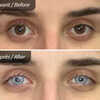
Eye color alteration permanently changes the eye but carries serious and lasting vision risks
One of the most contentious cosmetic operations in the world is eye color alteration surgery. The most popular technique is keratopigmentation, which involves injecting pigment into the cornea to alter the color of the eye permanently. People typically chose hues that are perceived as rare or attractive, such as gray, green, or blue.
This procedure changes the eye itself, unlike contact lenses. The hazards are significant because the eyes are very sensitive organs. Chronic inflammation, glaucoma, light sensitivity, vision issues, and even irreversible blindness are all potential side effects. The technique is prohibited or heavily regulated in a number of countries due to these hazards. This operation is severely discouraged by the majority of eye experts. Medical professionals concur that altering one's eye color for aesthetic purposes does not outweigh the possible harm to one's vision. This is one of the riskiest cosmetic procedures since there are few choices for treatment once problems start.
3. Six-Pack Abdominal Etching

Abdominal etching creates the appearance of abs without improving strength or health.
A cosmetic treatment called "six-pack abdominal etching" is used to provide the illusion of toned abdominal muscles. In order to make abs appear more defined, fat is cut away around the natural muscle lines with this particular type of liposuction. People who want quick results without years of exercise are drawn to this operation. The process doesn't increase physical strength or muscular mass. Only the appearance of the stomach is altered. After surgery, a person's chiseled appearance may soon go if they acquire weight. Many people underestimate the rigorous lifestyle needed to maintain outcomes. Unnatural shapes, fluid accumulation, uneven fat removal, edema, and bruises are among the risks. Asymmetry or noticeable scars are left behind in certain cases. Since appearing fit does not always equate to physical health, fitness experts frequently caution that this procedure may produce a false impression of health.
4. Foot Shortening Surgery

This extreme cosmetic procedure alters foot structure and can permanently affect mobility.
Surgery to shorten the foot is among the most drastic cosmetic operations. In order to shorten the foot, portions of the toe bones are removed. In order to comfortably wear high-end shoes or fit into smaller shoe sizes, many people opt for this operation. This choice is heavily influenced by the demands of beauty and fashion norms. Medically speaking, this procedure is rarely required. The entire body is supported by the feet, therefore changing their anatomy can have an impact on walking and balance. Weeks or months of restricted mobility are common throughout the painful and drawn-out recovery process. Long-term consequences could include diminished stability, posture issues, persistent pain, and trouble walking. Many medical professionals wonder if it is morally acceptable to carry out such a risky operation purely for aesthetic sake. Experts highly advise examining non-surgical alternatives before making a choice that will impair mobility indefinitely.
5. Dimple Creation Surgery

Dimpleplasty creates artificial dimples through a quick and minimally invasive procedure.
A small cosmetic technique called dimple creation surgery, sometimes referred to as dimpleplasty, produces artificial dimples on the cheeks. To create a natural-looking indentation when smiling, the surgeon attaches the skin to the underlying muscle with a tiny thread. Because dimples are frequently linked to charm, friendliness, and youth, this procedure is very popular. Under local anesthetic, the surgery typically takes less than half an hour. There is minimal swelling or pain for a few days throughout the brief recovery period. For some people, the dimples are permanent, while for others, they gradually disappear. Although there are less risks than with other operations, infection, asymmetry, and scarring are still possible. It is one of the only cosmetic procedures in which a characteristic that is typically viewed as flawed is added.
Expert Insight and Important TakeawayThese unconventional plastic procedures demonstrate how contemporary ideals of beauty are ever-evolving. Medical professionals emphasize that cosmetic surgery should never be taken lightly, even while individual preference and self-expression are significant. Changes made to healthy organs or bones can result in long-term issues that aren't necessarily apparent right away. Physicians urge patients to thoroughly comprehend the psychological factors, long-term consequences, and risks associated with their choices. The effects of surgery frequently endure a lifetime, although trends and social media influence can change. Considering any cosmetic operation requires making educated decisions and putting health before appearance.
Discover expert advice and the latest updates in Skin Care, Hair Care, Wellness, Dermatology, and more at Stay Young guide to lasting beauty and holistic health!
Frequently Asked Questions (FAQs)
1. Are these plastic surgeries legal everywhere?
No. Some procedures, such as eye color change surgery, are banned or strictly regulated in several countries due to serious health risks.
2. Can these surgeries be reversed if someone changes their mind?
Most of these surgeries are difficult or impossible to fully reverse, especially procedures involving cartilage, bones, or the eyes.
3. Are these procedures medically necessary?
No. All the surgeries discussed are cosmetic and performed for appearance or personal preference rather than medical need.
4. What are the biggest health risks involved?
Risks vary by procedure but can include infection, scarring, nerve damage, vision problems, chronic pain, and long-term mobility issues.
5. Why do people still choose such extreme surgeries?
Many people are influenced by beauty trends, social media, personal identity, or the desire to stand out, even when risks are well known.