New Delhi/Bhubaneswar: As of February 11, recent data reveals that Indian drug enforcement agencies have confiscated nearly 3.9 million kilograms of cannabis-related substances since 2020, with Odisha contributing over 27% of these seizures, according to information shared in Parliament.
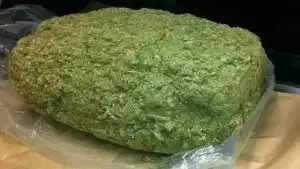
Cannabis-related substances encompass items such as ganja, hashish, and hashish oil.
The Ministry of Home Affairs (MHA) disclosed in a written statement to the Lok Sabha last week that a total of 3.889 million kilograms of cannabis products were seized from 2020 through November 2025.
In 2020, the seizures amounted to 588,000 kilograms, peaking at 816,000 kilograms in 2021. However, there was a steady decline over the next three years, with recoveries of 722,000 kilograms in 2022, 632,000 kilograms in 2023, and 540,000 kilograms in 2024. The trend reversed in 2025, with a rise to 589,000 kilograms.
Odisha emerged as the state with the highest number of seizures, totaling 1.065 million kilograms over the six-year span, consistently leading the annual statistics.
The data also indicates changes in trafficking patterns nationwide.
For example, Rajasthan experienced a notable increase in seizures, jumping from 14,826 kilograms in 2020 to 58,146 kilograms in 2025, highlighting a growing issue in that area. Similarly, West Bengal's seizures rose from 25,979 kilograms in 2020 to 32,456 kilograms in 2025.
Conversely, some traditional hotspots have seen a decline in seizures.
Andhra Pradesh, which recorded the second-highest total of 550,000 kilograms over six years, saw a significant drop from a peak of over 201,000 kilograms in 2021 to just 44,182 kilograms in 2025.
Chhattisgarh and Karnataka also reported sharp decreases, with Chhattisgarh's recoveries halving from 36,211 kilograms in 2020 to 15,235 kilograms in 2025, while Karnataka's dropped from 21,657 kilograms to 6,746 kilograms in the same timeframe.
The Northeast region also showed substantial recoveries, with Tripura, a smaller border state, recording a total of 246,000 kilograms over six years, ranking fourth nationally, just behind Uttar Pradesh's 247,000 kilograms. Assam accounted for nearly 194,000 kilograms during this period.
In response to these challenges, Minister of State for Home Nityanand Rai outlined the government's countermeasures, which include the deployment of advanced technologies such as AI-integrated grids, radars, motion detectors, and standardized drone usage along borders to monitor trafficking routes.
The Centre also informed Parliament that border security forces (BSF, Assam Rifles, and SSB) have been granted authority under the NDPS Act to conduct searches and seizures. Furthermore, international collaboration with neighboring countries and global organizations has been enhanced to dismantle transnational drug trafficking networks.