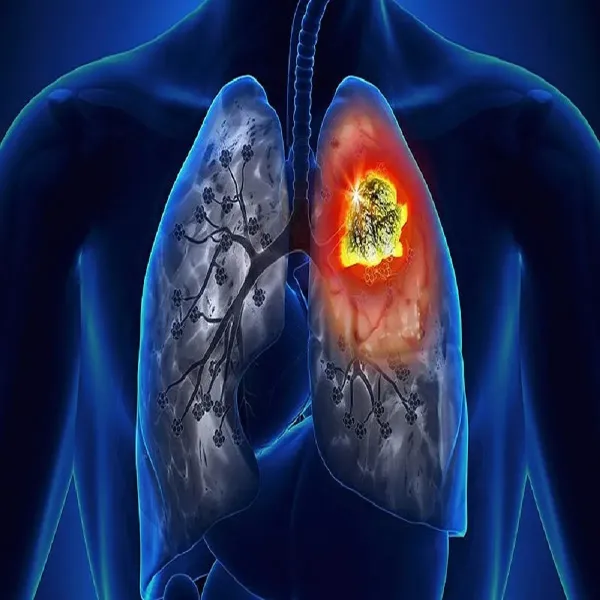
Cancer – Jammu and Kashmir has recorded more than 32,000 cancer cases over the past three years, according to figures placed before the Legislative Assembly. The data highlights a growing health concern in the Union Territory, with lung, breast, oral, cervical, prostate and pancreatic cancers emerging as the most frequently diagnosed types.
In a written response to a query raised by Peoples Democratic Party legislator Waheed Para, Health Minister Sakina Itoo informed the House that a total of 32,425 cases were documented during the three-year period under review. The information was shared as part of official government records.
The figures reveal that a significant majority of cases were reported from the Kashmir Valley, which has consistently shown higher numbers compared to the Jammu region.
Between 2021 and 2024, the Valley registered 25,621 cancer cases. In 2021 alone, authorities recorded 8,021 patients, including 4,333 men and 3,688 women. The number rose to 8,621 in 2023, with 4,685 male and 3,936 female patients. By 2024, the tally climbed further to 8,979 cases, comprising 4,789 men and 4,190 women.
Officials noted that the steady increase over the years reflects improved detection as well as a possible rise in incidence, though detailed epidemiological assessments are awaited.
In the Jammu division, 6,804 cancer cases were reported over a three-year span from 2023 to 2025. The region documented 2,026 cases in 2023, including 1,177 men and 859 women. The following year, the number increased to 2,187, with 1,248 male and 939 female patients.
By 2025, cases in Jammu rose to 2,581. Of these, 1,116 were men and 1,465 were women, indicating a notable rise in diagnoses among female patients during the most recent reporting year.
Addressing the broader health challenge, Chief Minister Omar Abdullah recently announced in the budget session that the administration will introduce a dedicated Cancer Control Strategy for Jammu and Kashmir. The initiative will be developed in collaboration with NITI Aayog and the Indian Council of Medical Research.
According to the Chief Minister, the programme will concentrate on prevention, timely diagnosis and strengthening treatment facilities across the Union Territory. The plan includes upgrading diagnostic infrastructure and expanding access to modern treatment options in order to improve patient outcomes.
Health experts have long stressed that early screening and awareness can significantly reduce mortality rates, particularly for cancers such as breast, cervical and oral cancer, which are often treatable when detected in initial stages.
The proposed strategy is expected to emphasise community-level awareness campaigns, enhanced screening services and better-equipped oncology departments in government hospitals. Authorities aim to streamline referrals and ensure that patients in remote areas receive timely care.
While the data presented in the Assembly provides a clearer picture of the cancer burden in Jammu and Kashmir, officials acknowledge that sustained efforts will be necessary to address both prevention and treatment. The collaboration with national health institutions is intended to bring technical expertise and policy support to the region’s healthcare system.
With cancer cases continuing to rise, the government’s forthcoming strategy is likely to play a crucial role in shaping how the Union Territory manages diagnosis, treatment and long-term patient support in the years ahead.